
Last updated October 16, 2026
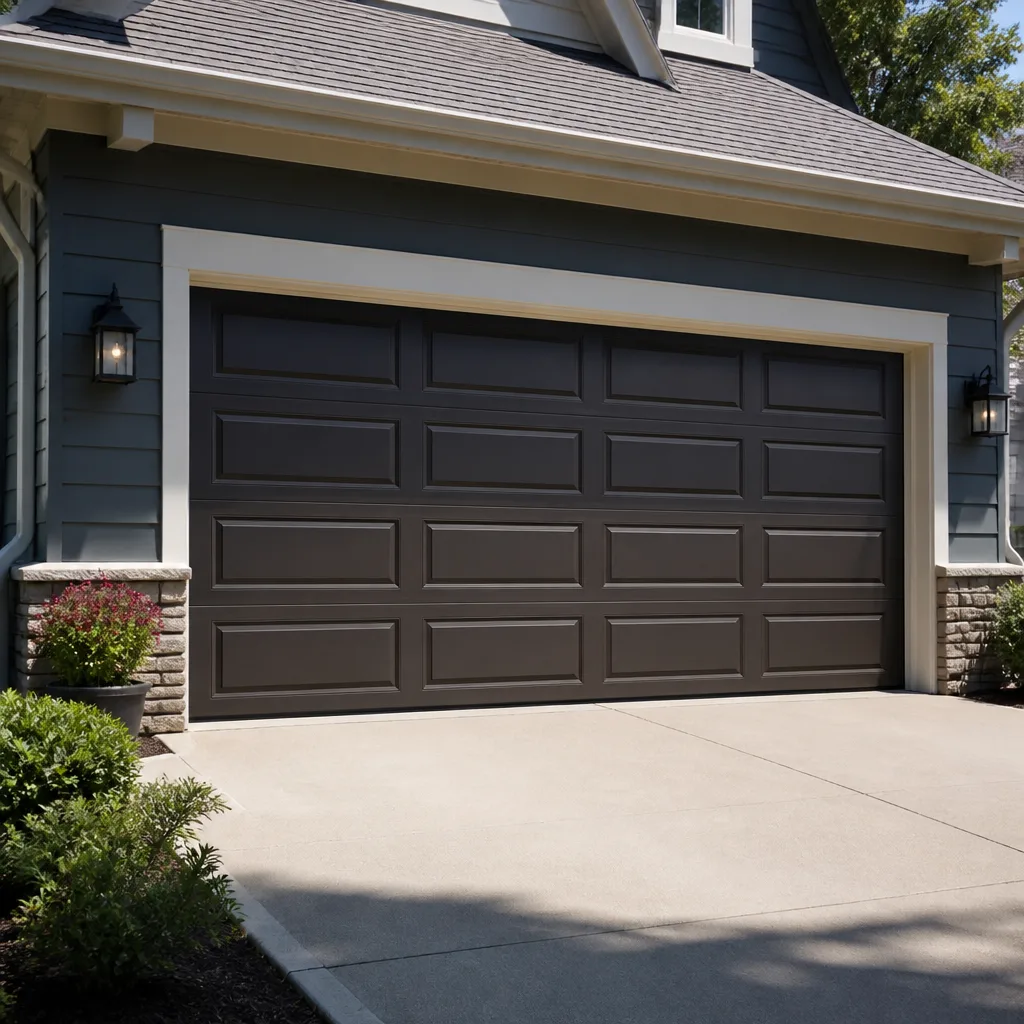 Raised-panel steel
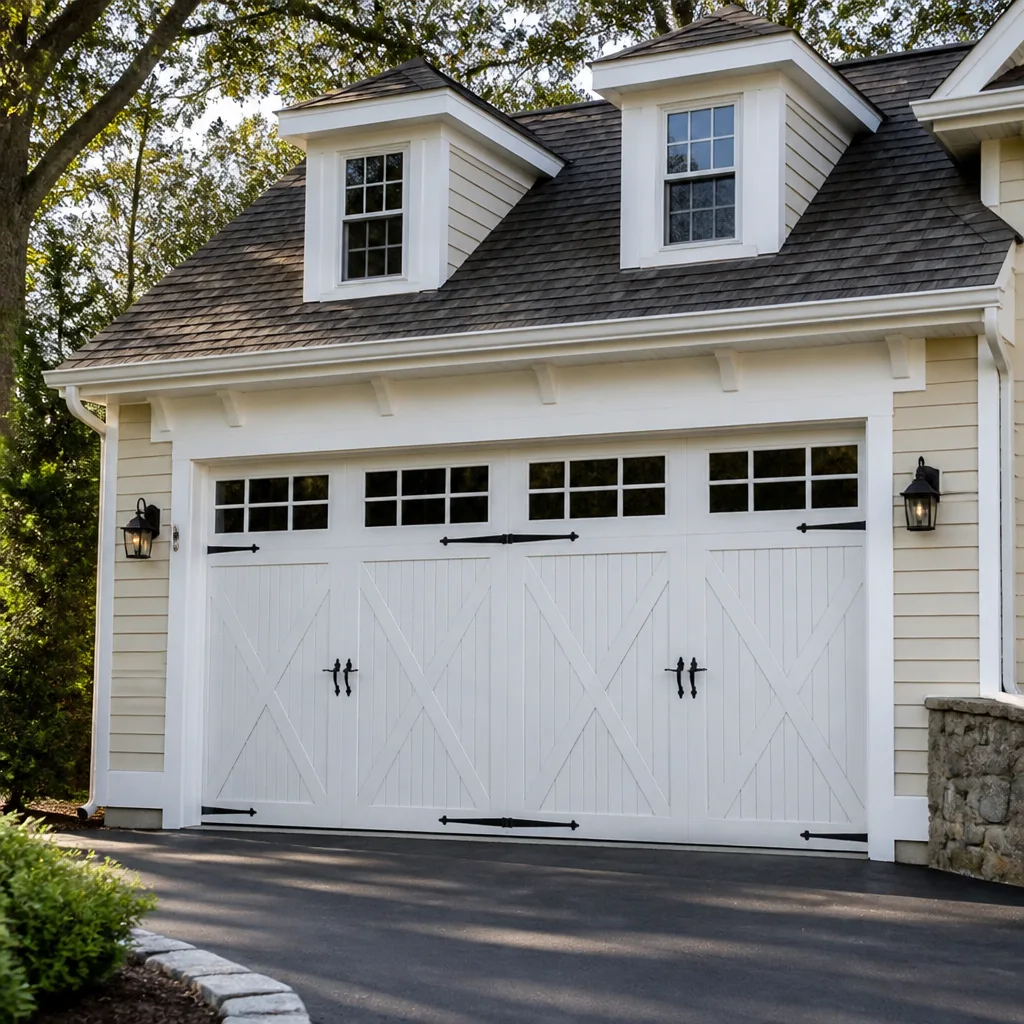 Carriage house
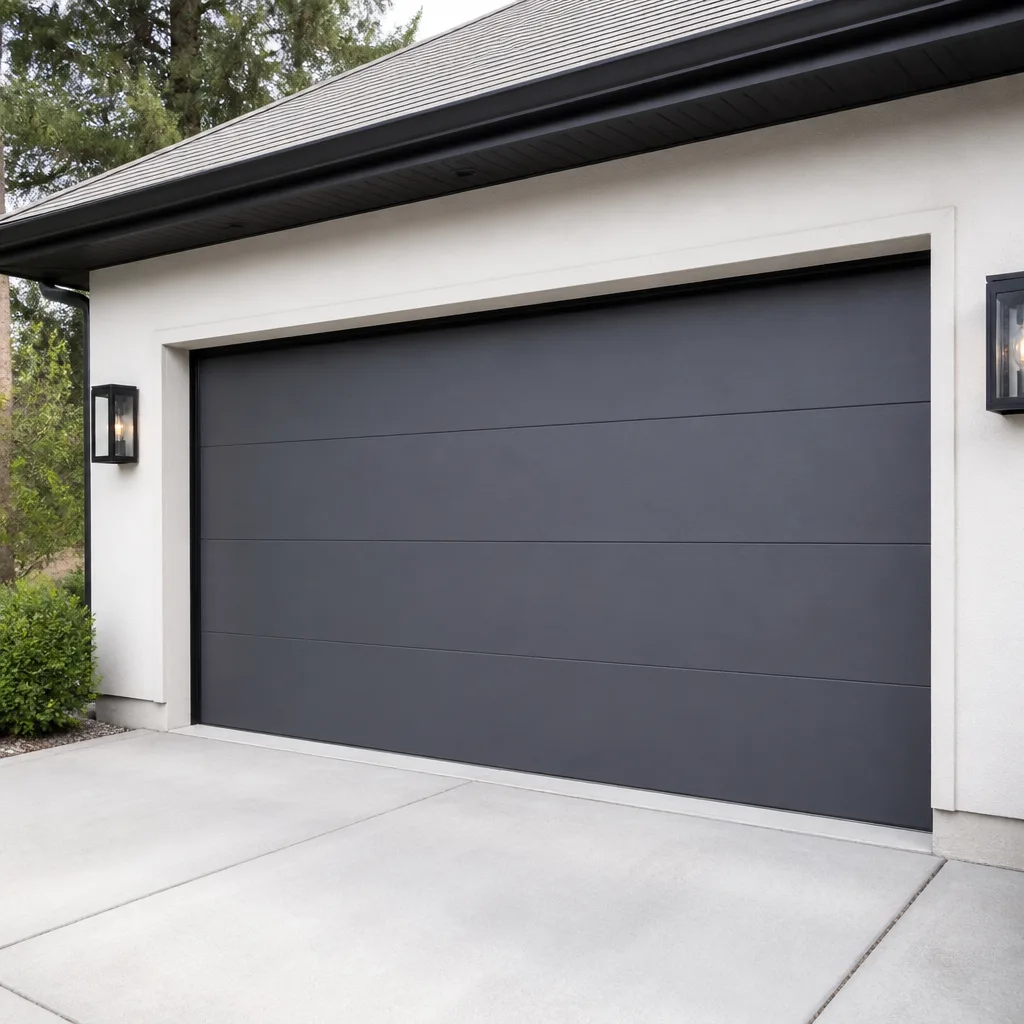 Modern flush
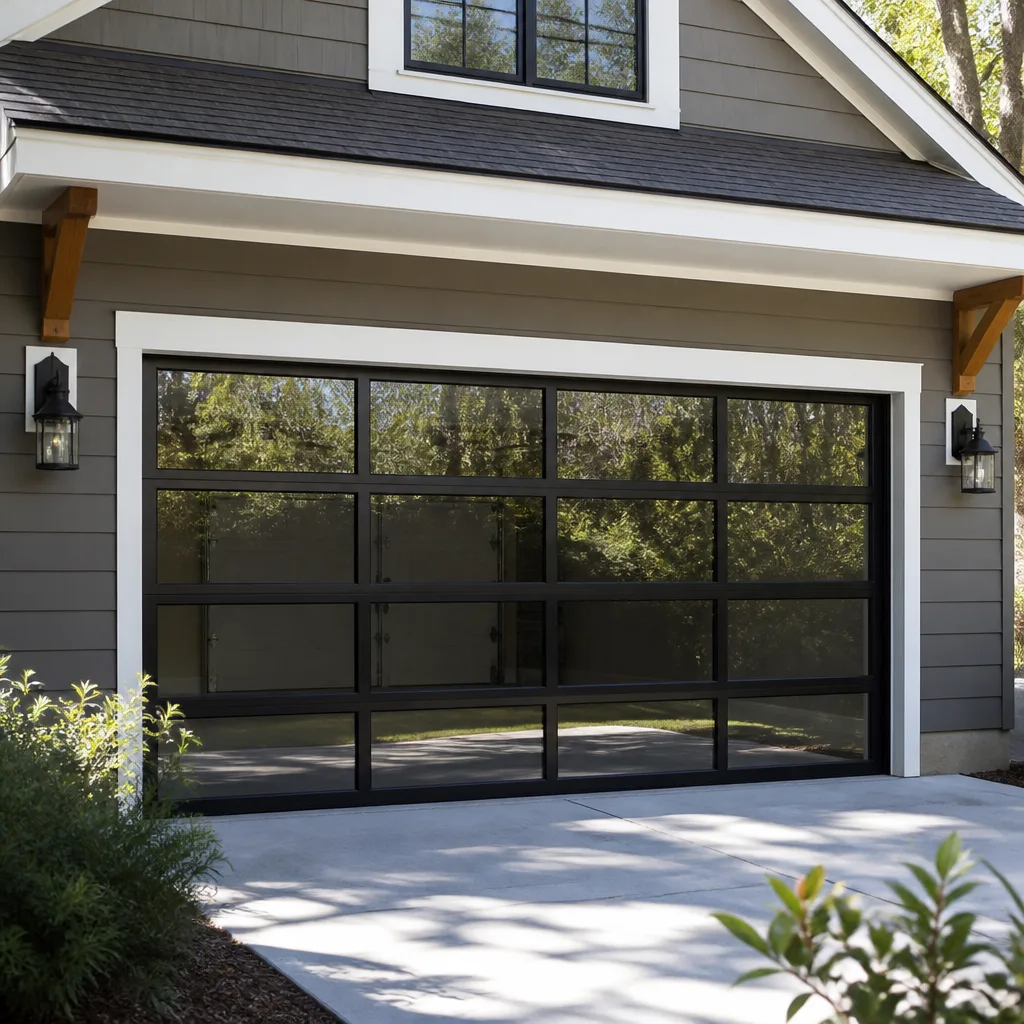 Full-view glass
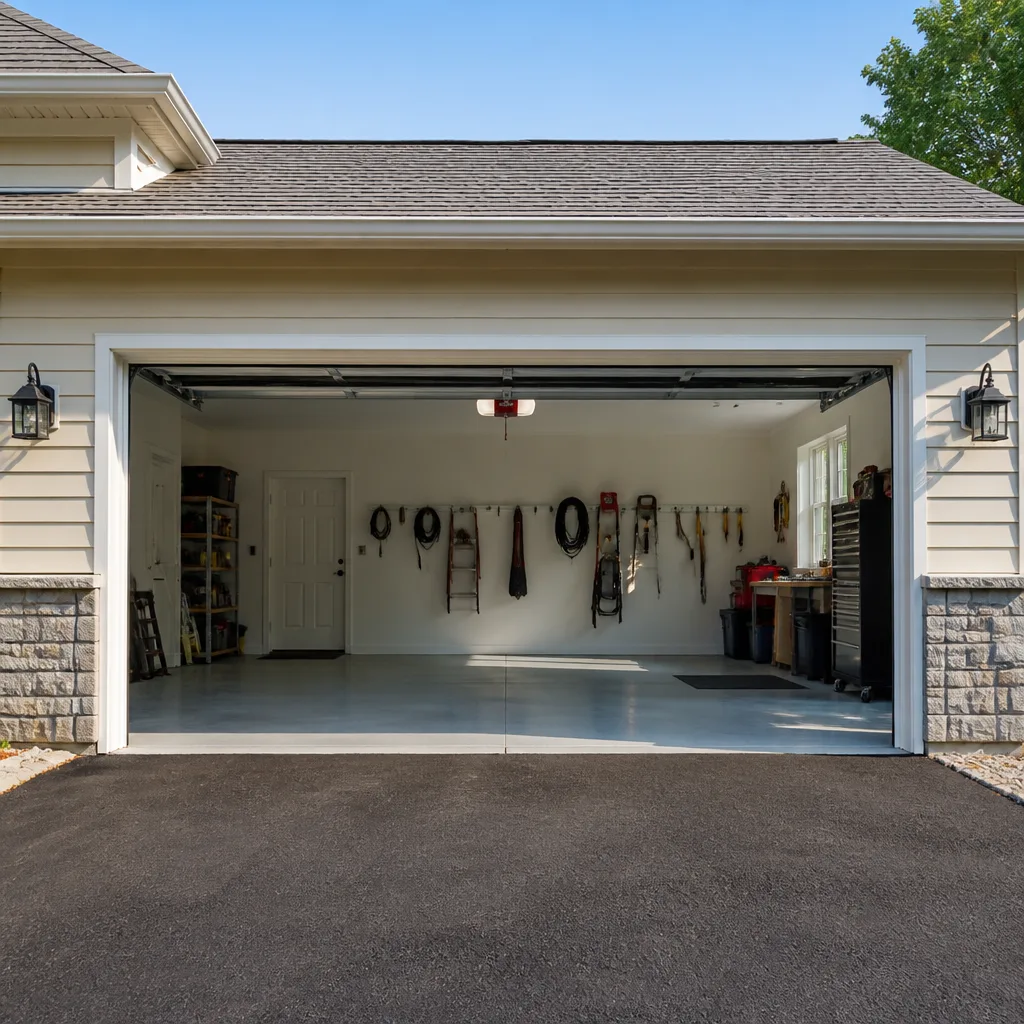 LiftMaster openers
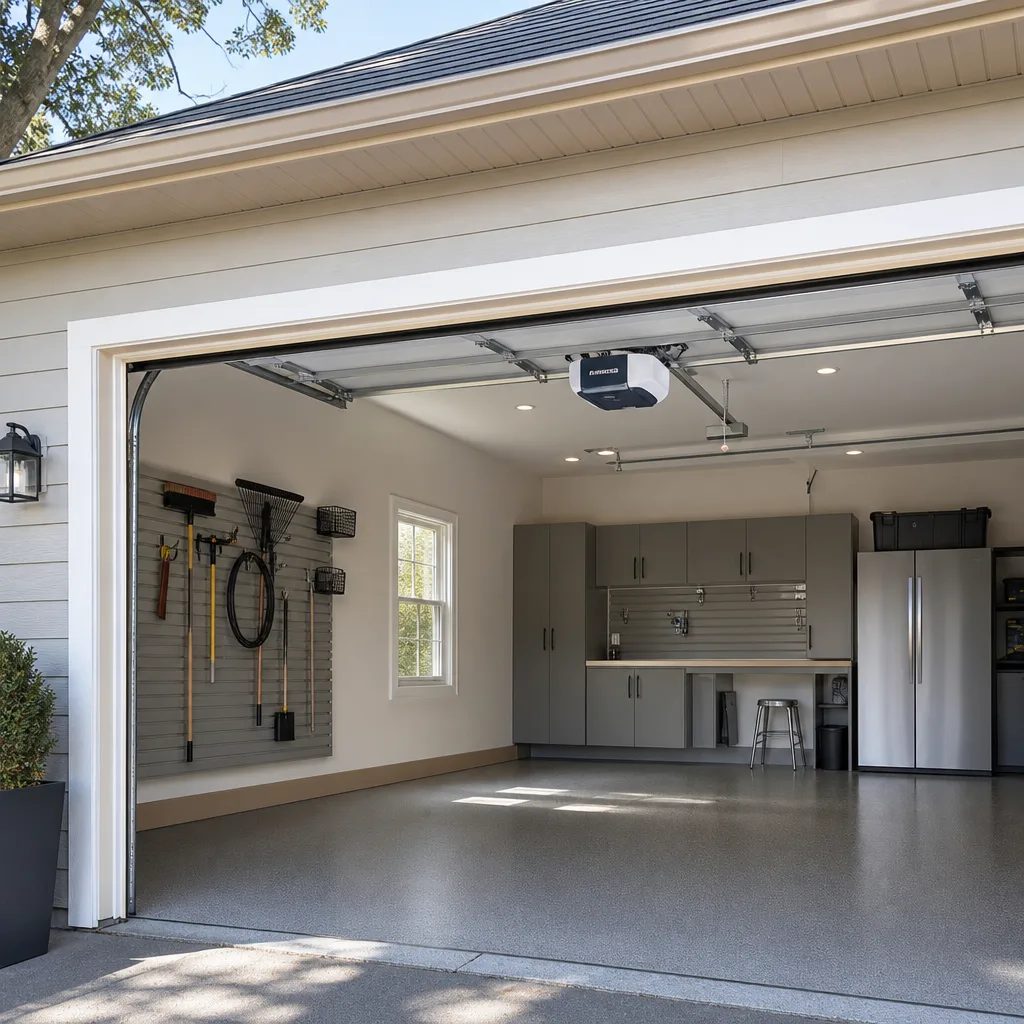 Chamberlain openers
Full 25-point door and opener safety check with every visit - springs, cables, rollers, tracks, and your LiftMaster or Chamberlain opener included
You get a price before we start. It does not change when the truck arrives.
Get your free estimateGarage Door Repair Maintenance Checklist for Atlanta Homeowners
Most garage door maintenance checklists you find online are copied from manufacturer PDFs written for a dry Midwest climate. They tell you to lubricate the rollers twice a year and check the balance occasionally. That advice is fine for Ohio, but it misses what actually destroys garage door systems in Atlanta: the combination of red-clay dust, tree pollen, summer humidity spikes that push 90%, and winter temperature swings that go from 60 degrees to below freezing in the span of a week. This guide is written by the people who show up at Atlanta homes every day to provide Garage Door Repair services and fix what these conditions do to a garage door. We’ll tell you exactly what to do, when to do it, what it costs when something breaks anyway, and which tasks you should never attempt yourself.
Quick Answer
A garage door maintenance checklist for Atlanta homeowners should include quarterly lubrication of all moving parts, monthly testing of the auto-reverse safety feature, seasonal inspection of the bottom seal and weatherstripping timed to pollen season and summer storm cycles, and an annual professional inspection of the torsion spring and cable system. Most homeowners can safely handle the first three tasks themselves in about 30 minutes per season. The fourth task, spring and cable work, requires a trained technician because those components are under extreme tension and cause serious injuries when mishandled.
Styles & brands we work with
Table of Contents
- The Monthly Garage Door Maintenance Checklist for Atlanta
- An Atlanta-Specific Maintenance Calendar: Month by Month
- What to Lubricate, What to Tighten, and What to Leave Alone
- How to Test Auto-Reverse Force and Photo-Eye Alignment Yourself
- After the Storm: Bottom Seals, Weatherstripping, and Moisture Control
- Record-Keeping Template: Documenting Service Dates and Part Replacements
- Common Mistakes to Avoid
- When to Call a Professional
The Monthly Garage Door Maintenance Checklist for Atlanta
The single most common garage door service call we run in Atlanta is metal-on-metal bearing wear that started as a dry roller. It sounds like a grinding noise, then a squeal, then the door starts jerking on its way up. A $4 can of white lithium grease applied twice a year prevents the majority of these failures. The heat matters more than most people realize. Atlanta’s summer temperatures cycle a garage interior between 75 degrees at night and 110 degrees in the afternoon sun. That daily expansion and contraction works grease out of bearings faster than a stable northern climate does, which means the twice-a-year rule from manufacturer manuals is actually the minimum here, not the recommendation.
Here is the monthly checklist we recommends for Atlanta homeowners. It takes about 30 minutes and needs no special tools beyond a flashlight, a step stool, and a spray can of white lithium grease.
- Listen to the door open and close once, standing inside the garage. You want a smooth, even sound. A grinding, scraping, or squealing noise means dry metal parts are wearing against each other. The fix is lubrication, but only after you identify the source.
- Check the roller tracks on both sides for visible debris. Red clay dust, pollen clumps, and small leaves collect in the lower track channels, especially in homes near the Chattahoochee or heavily wooded neighborhoods like Morningside and Druid Hills.
- Test the door balance by disconnecting the opener. Pull the red emergency release handle while the door is closed. Then lift the door manually to waist height. A balanced door stays put. A door that drops or rises on its own has a worn torsion spring, and that spring is doing more work than it should.
- Check the weatherstrip along the bottom of the door. Cracks, tears, or sections that have pulled away from the door edge let hot humid air into the garage in July and let heated air out in January. Atlanta’s humidity makes this a bigger problem than in drier cities.
- Wipe down the photo-eye sensors on both sides of the door. A damp cloth is enough. Pollen film on the lens is a common cause of doors that refuse to close in April and May.
These five steps catch most problems before they become breakdowns. But they do not replace a professional inspection. For the full service picture, see Garage Door Repair in Atlanta.
An Atlanta-Specific Maintenance Calendar: Month by Month
Generic seasonal advice fails in Atlanta because the city does not have four clean seasons. It has pollen season, a long humid summer, a short and unpredictable winter, and about six weeks of genuinely pleasant weather split between October and April. Here is the maintenance calendar we use when we talk to homeowners in Buckhead, Decatur, Sandy Springs, and everywhere in between. It is timed to what actually happens outside.
February to March: Pre-Pollen Inspection
Before the yellow dust arrives, do a complete visual inspection of the door’s hardware. Look at the torsion spring mounted above the door for any visible gap or rust. Lubricate every moving part now, because once pollen settles into the tracks and roller housings, it mixes with grease to form an abrasive paste. This is also the time to replace cracked weatherstripping before spring rains start. If the bottom seal has hardened over winter, a new one goes on in under an hour and costs far less than the water damage it prevents.
April to May: Pollen Defense
Atlanta’s tree pollen counts in April routinely hit some of the highest numbers in the country. Pine pollen in particular is fine enough to work its way into roller bearings and door hinges. During this window, wipe the tracks and photo-eye lenses every three weeks. A dry microfiber cloth works better than anything chemical. If you park under pine trees or live in a neighborhood with heavy canopy coverage, check the tracks weekly. Pollen is not just cosmetic. When it accumulates in the track channel, the rollers drag through it, and that extra friction accelerates wear on the bearings.
June to August: Humidity and Heat Cycle Management
This is the hardest season on garage door hardware in Atlanta. The humidity sits above 80% most days, and the temperature inside an uninsulated garage can swing 35 degrees between night and afternoon. Metal expands and contracts daily. Grease thins out. Wood doors swell. Here is what that means for maintenance:
- Lubricate metal moving parts every 60 days instead of every 90. The heat cycle pushes grease out faster here than anywhere else the manufacturer manual was written for.
- Check wood door panels for swelling. If a panel rubs against the frame or the adjacent panel, sand it down or call a technician before the rubbing turns into a split. Wood doors are common in older Atlanta homes in neighborhoods like Virginia-Highland and Candler Park.
- Watch for rust on exposed springs and hardware. Humidity accelerates oxidation. Surface rust on a torsion spring is a warning sign, not a death sentence, but it should be inspected.
September to October: Storm Cleanup and Seal Replacement
After the summer thunderstorm cycle ends, inspect the door for standing water damage. Check the bottom seal for sections that have separated. Inspect the garage door frame for soft wood, especially near the bottom corners where water pools after heavy rain. If the seal is due for replacement, October is the ideal month in Atlanta. Temperatures are moderate, the door is dry, and the new seal becomes more flexible.
November to January: Freeze Readiness
Atlanta does not freeze often, but when it does, the damage is disproportionate because the city’s infrastructure and homes are not built for sustained cold. A garage door that freezes to the concrete slab is one of the most common winter calls we get. The fix is simple: before cold weather, clean the concrete along the door’s path and apply a thin layer of silicone spray to the bottom seal itself. This prevents the rubber from bonding to the concrete when temperatures drop below 32 degrees. Also check the garage’s weatherstripping around the frame for gaps. In January, a garage door in Atlanta can lose enough heat through a bad seal that the room above the garage becomes noticeably cold.
What to Lubricate, What to Tighten, and What to Leave Alone
There are exactly five components on a garage door system that a homeowner should lubricate themselves. There are also three components that should never be touched without a technician present. The distinction matters because the dangerous parts are not visibly dangerous until they fail. Here is the breakdown.
Safe to Lubricate: The Moving Metal Parts
- Hinges. Apply a small amount of white lithium grease to each hinge pin where the two sections of the door bend. Do this from inside the garage. The hinges are visible along the horizontal seams of the door.
- Rollers. Steel rollers with ball bearings need lubrication at the bearing. Nylon rollers, which are increasingly common on newer doors, do not need lubrication on the wheel itself. The bearing inside the wheel is sealed. If the roller is a steel wheel with an exposed bearing, grease it. If the wheel is nylon, leave it alone. Atlanta humidity actually makes nylon rollers a better long-term choice for this climate.
- Torsion spring. Yes, you can lubricate the spring yourself. No, you should not touch it with your hands while under tension. Spray the spring with white lithium grease along its full length. The goal is to coat the metal to prevent rust and keep the coils from binding against each other. This is a maintenance task, not an adjustment. What you never do is loosen, tighten, or reposition the spring in any way.
- Track channel. Not the track itself, which should stay dry, but a small amount of grease on the inside edge where the roller makes contact can reduce friction. This is contested advice, but in Atlanta’s humid metal-on-metal environment, it helps. Do not grease the full track. Grease in the track attracts clay dust and becomes grime.
- Opener trolley carriage. This is the metal carriage that slides along the rail mounted to the ceiling. A small amount of white lithium grease on the rail keeps it moving freely.
Safe to Tighten: Bolts, Brackets, and the Chain
A garage door opens and closes roughly 1,000 times a year in a typical Atlanta household, more if the garage is the primary entry to the home. That cycling vibrates hardware loose. Use a socket wrench to tighten the bolts on the hinges, the roller brackets, and the track mounting brackets attached to the wall and ceiling. A loose track bracket is dangerous because the door can come off its alignment while moving. For the chain on the opener rail, check the tension. A chain that sags visibly should be adjusted by a technician, but a chain that is simply loose can often be tightened with the adjustment nut at the opener unit. The rule is simple: if you can pull the chain away from the rail more than an inch, it is too loose.
Never Touch: The Dangerous Components
The torsion spring is the large coil mounted horizontally above the door. It stores enormous mechanical energy, enough to lift a 150-pound door, and when it breaks or is mishandled, it releases that energy instantly. We have seen torsion springs punch through drywall and break bones. Never attempt to adjust, replace, or remove a torsion spring. This is not a DIY task under any circumstances. The same applies to the cable drums, the spool-shaped metal pieces at each end of the spring assembly. The lifting cables wrap around these drums and are under the same tension. If a cable is frayed, leave it alone and call a professional. Garage door opener repair is separate from spring work, but both belong to trained technicians.
How to Test Auto-Reverse Force and Photo-Eye Alignment Yourself
Since 1993, every garage door opener sold in the United States has been required to include two independent safety features: the auto-reverse mechanism, which stops and reverses the door when it encounters resistance, and the photo-eye sensor system, which stops the door when an object breaks the light beam between the two sensors. This compliance standard is known as UL 325, and it exists because garage doors killed and injured people before it became law. Testing these features is the most important maintenance task on this list, and it is something every Atlanta homeowner should do monthly.
Step 1: Test the Auto-Reverse Force with a 2×4 Board
- Place a 2×4 board flat on the ground in the center of the garage door opening, directly under the door.
- Close the door using the opener. The door should strike the board and reverse within two seconds of contact.
- If the door reverses, the force setting is working. If the door stops, continues downward, or crushes the board, the force setting is too high and the opener is unsafe.
- Adjust the force setting using the dial or button on the opener unit, following the manufacturer’s instructions. Openers from LiftMaster, Chamberlain, Genie, and Craftsman all have a force adjustment of some kind.
This test should be performed every month. The auto-reverse mechanism is a pressure sensor, and the sensor’s sensitivity drifts over time. A door that passed the test in January may fail in August because the sensor calibration shifts with temperature and use.
Step 2: Test the Photo-Eye Alignment
- Look at the two sensors mounted on the vertical tracks, about 6 inches above the ground on each side. Each sensor has a small LED light.
- With the door open, wave a broom handle or a piece of cardboard through the light beam between the sensors.
- The door should immediately stop and reverse if it is closing. If it does not, the sensors are misaligned or the lens is dirty.
- Wipe both lenses with a dry cloth and check that the sensors are pointing directly at each other. In Atlanta, the most common cause of photo-eye failure is a fine film of pollen on the lens. The second most common cause is the sensor being knocked out of alignment by a trash can or a bicycle.
If the sensors are aligned and clean but the door still does not reverse, the sensor wiring may be damaged, or the opener’s logic board may be failing. These systems can be repaired on a per-component basis. See Garage Door Opener Repair in Atlanta for the specifics.
After the Storm: Bottom Seals, Weatherstripping, and Moisture Control
Atlanta’s summer thunderstorms are not a maintenance event by themselves, but the aftermath is. A typical July afternoon dumps an inch or two of rain in under an hour, often with wind that pushes water sideways. When that water finds its way into the garage, it does not dry quickly. The humidity stays high, and standing water in the garage leads to mold, wood rot on the door frame, and rust on the door’s hardware. The bottom seal is the #1 defense, and it wears out faster in Atlanta than in most cities because the sun bakes the rubber while the humidity keeps it swollen. The result is a seal that cracks around the edges and loses its compression.
Here are the signs to look for after a storm:
- Daylight under the door. Close the door and look at the floor from inside the garage. If you see light under the bottom edge, the seal is not making contact and water is getting in.
- Soft wood at the bottom corners. Press a screwdriver against the wooden door frame at the lowest points on each side. If the wood gives, it is rotting, and that rot spreads upward if it is not cut out and replaced.
- Water marks on the garage floor. Even a small stream of water that dries by morning leaves a mineral line. That line tells you exactly where the seal is failing.
Replacing a bottom seal is a manageable DIY task if the door has a standard aluminum retainer channel. Slide out the old rubber, slide in the new one, done. If the door has a wood retainer or a custom profile, a technician may be needed. The material choice matters too. In Atlanta, we recommend a rubber seal over vinyl. Rubber maintains flexibility at lower temperatures, which matters during January nights in the 20s, and rubber compresses better to seal against the uneven concrete slabs common in older homes in neighborhoods like Grant Park and East Atlanta.
Weatherstripping around the side and top of the door is just as important. It does not face the same water pressure as the bottom seal, but it prevents heat exchange. In Atlanta, where air conditioning runs from May through October, a poor side seal lets cooled air leak out and humid air leak in. The result is a garage that feels like a swamp and a cooling bill that climbs. The weatherstripping is visible as a rubber or vinyl strip nailed or screwed to the outside of the door frame. Inspect it each season. If it is cracked, peeling, or missing in sections, replace it.
Record-Keeping Template: Documenting Service Dates and Part Replacements
Here is the maintenance record template we tell Atlanta homeowners to keep, usually on a sheet of paper taped to the inside of the garage door or on a notes app, alongside more guides & resources for reference. It matters for three reasons. First, when you sell the home, a maintenance record is proof that the garage door system was cared for, and it can smooth over buyer concerns during inspection. Second, if a part fails within a warranty period, both the manufacturer and the installer will ask for documentation. Third, if you ever file an insurance claim for storm damage or a break-in, a service record supports the claim. Here is what to record:
- Date of every maintenance task you performed yourself, including lubrication, seal replacement, and auto-reverse testing.
- Date, technician name, and description of every professional service visit. This includes spring replacement, opener repair, track realignment, and panel replacement.
- Brand and model of the door, the opener, and any replacement parts. LiftMaster, Chamberlain, and Genie openers each have a model number printed on the unit. Write it down once and keep it. We service all those brands and several more door manufacturers, including Amarr, Wayne Dalton, and Raynor, so the brand itself matters less than the model number.
- Receipt or invoice from each repair. Keep them in one folder, physical or digital.
- Warranty start date for any major replacement. A torsion spring replacement in Atlanta typically carries a warranty of one to five years depending on the spring’s cycle rating and the company that installed it.
A record like this has a real financial effect. Homes in Atlanta with documented maintenance sell faster and with fewer inspection objections. It is also the single easiest way to know when a part is nearing the end of its service life before it fails without warning.
Common Mistakes to Avoid
- Lubricating the wrong parts. The #1 DIY mistake we see involves spraying WD-40 into the tracks or onto the chain. WD-40 is a solvent, not a lubricant. It cleans, then it dries. Use white lithium grease for metal parts, silicone spray for the bottom seal, and nothing for the tracks beyond a light interior coating.
- Ignoring a slow door. A garage door that opens slower than it used to is a symptom, not a quirk. In Atlanta, it often means the opener motor is working harder because the door is out of balance or the rollers are binding. A slow door becomes a stuck door, usually on the morning you are late.
- Adjusting the torsion spring by hand. This mistake sends people to the emergency room. The torsion spring is under enough tension to break bones, and in rare cases, it is fatal. Never.
- Using pressure-treated wood for garage door frames. In Atlanta, homeowners sometimes patch a rotted frame with pressure-treated lumber. The problem is that pressure-treated wood contains chemicals that corrode the metal fasteners and brackets on the door’s hardware. Use cedar or a composite material instead.
- Testing the auto-reverse with a cardboard box. A cardboard box crushes and does not provide a consistent pressure reading. The UL 325 test requires a solid object. Use the 2×4 board.
- Painting over weatherstripping. Paint dries and cracks, and it bonds weatherstripping to the frame. Pull it out or tape it off before painting the garage door or the frame.
- Ignoring the balance test because the door works. A door that is slightly out of balance still opens and closes, but it forces the opener motor to overwork. The result is the opener’s lifespan dropped from 12 years to 7, and a spring that was a $280 replacement became a $350 replacement plus a new opener.
When to Call a Professional
If the torsion spring breaks, you will hear it. It sounds like a gunshot in the garage, and the door will not open, or it opens a few inches and stops. That is a professional repair, no exceptions. If a cable is frayed, if the door is off its tracks, if the opener motor runs but the door does not move, or if the door sags visibly to one side, call a technician. These are not maintenance tasks. They are repair jobs. Doyle Garage Doors Atlanta offers free estimates in Atlanta. Garage door installation and replacement work, including new door installation and opener installation, are also professional jobs that start with a measurement and a written price.
Call (229) 408-2364 to schedule.
See the difference
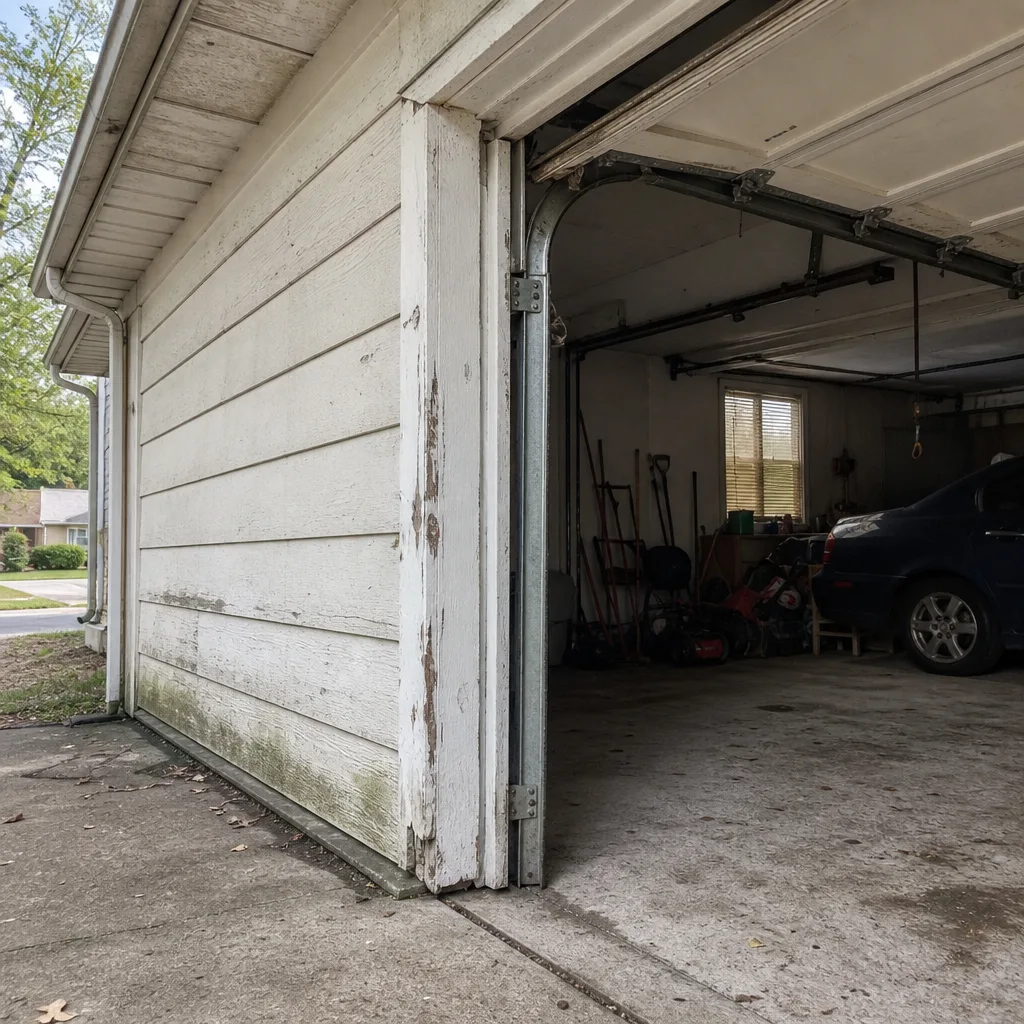 Before
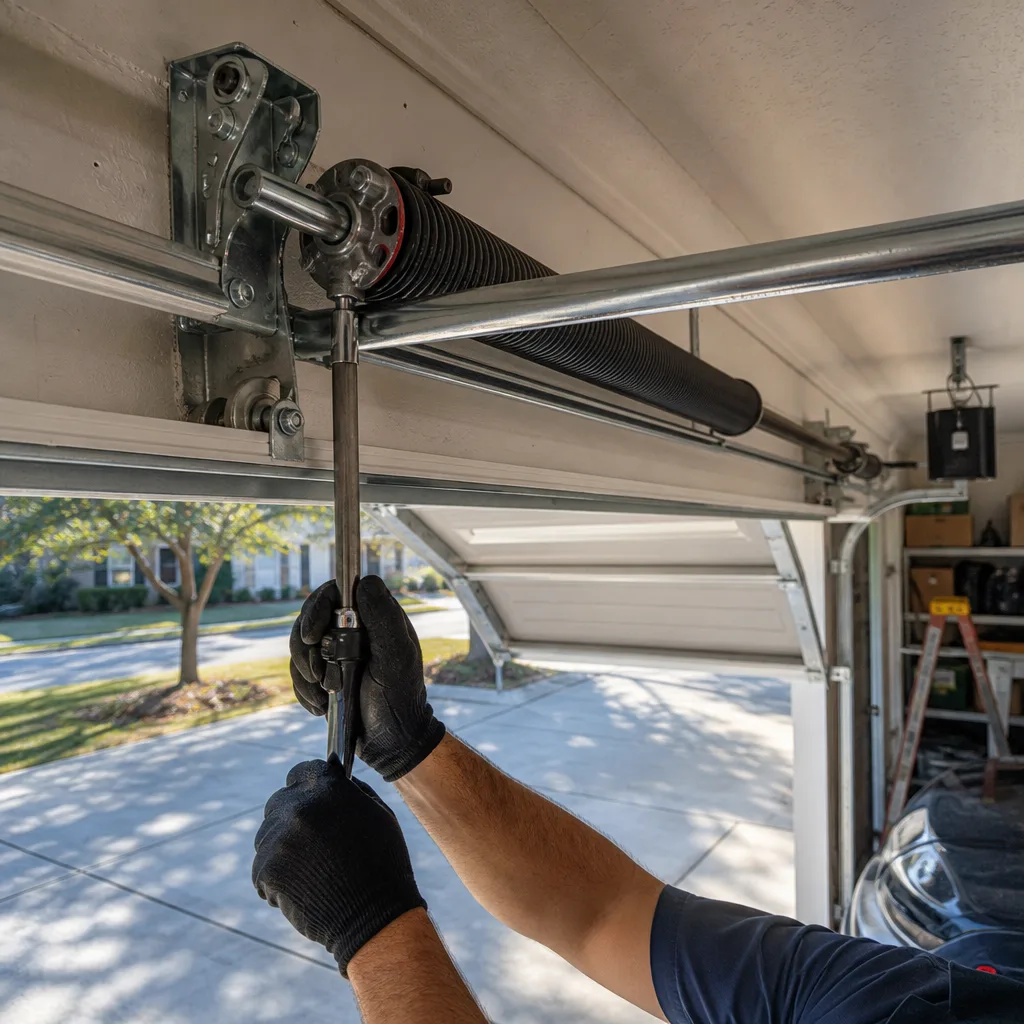 After
After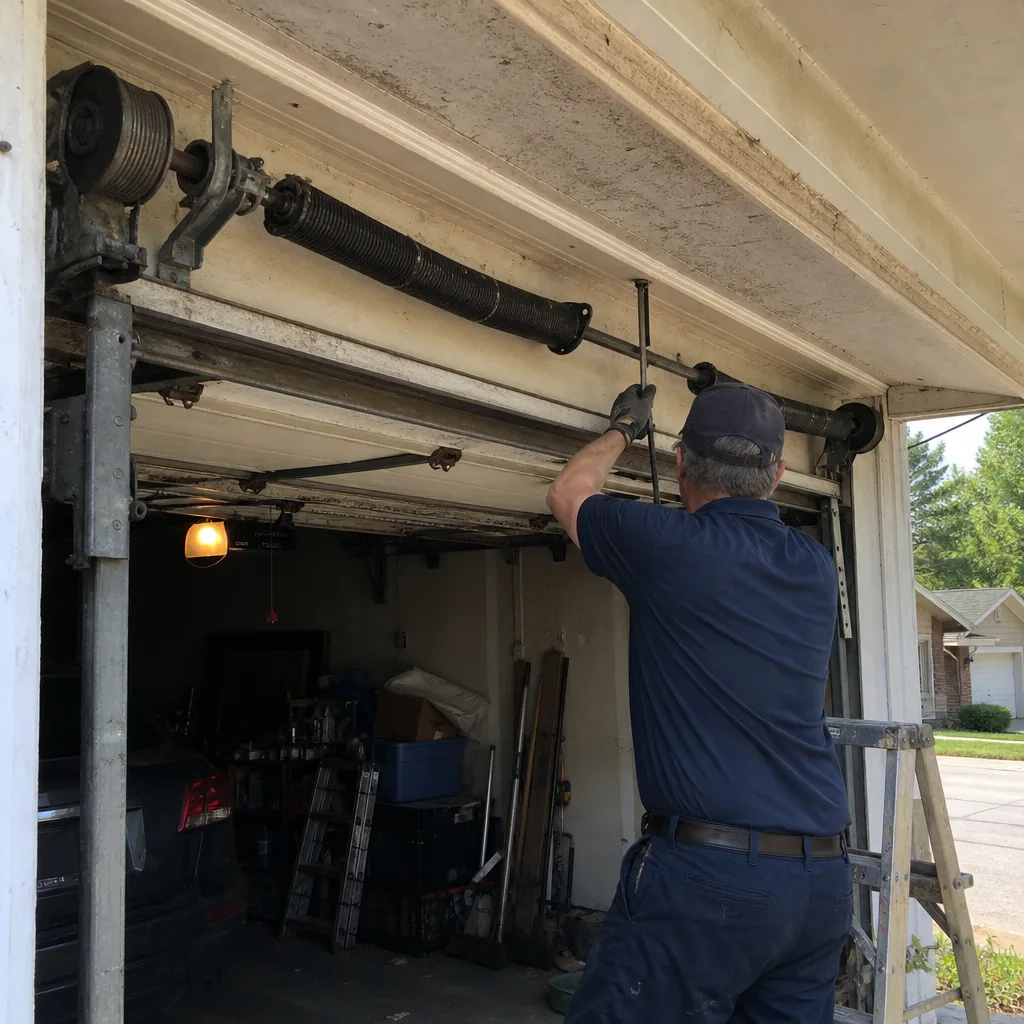 Before
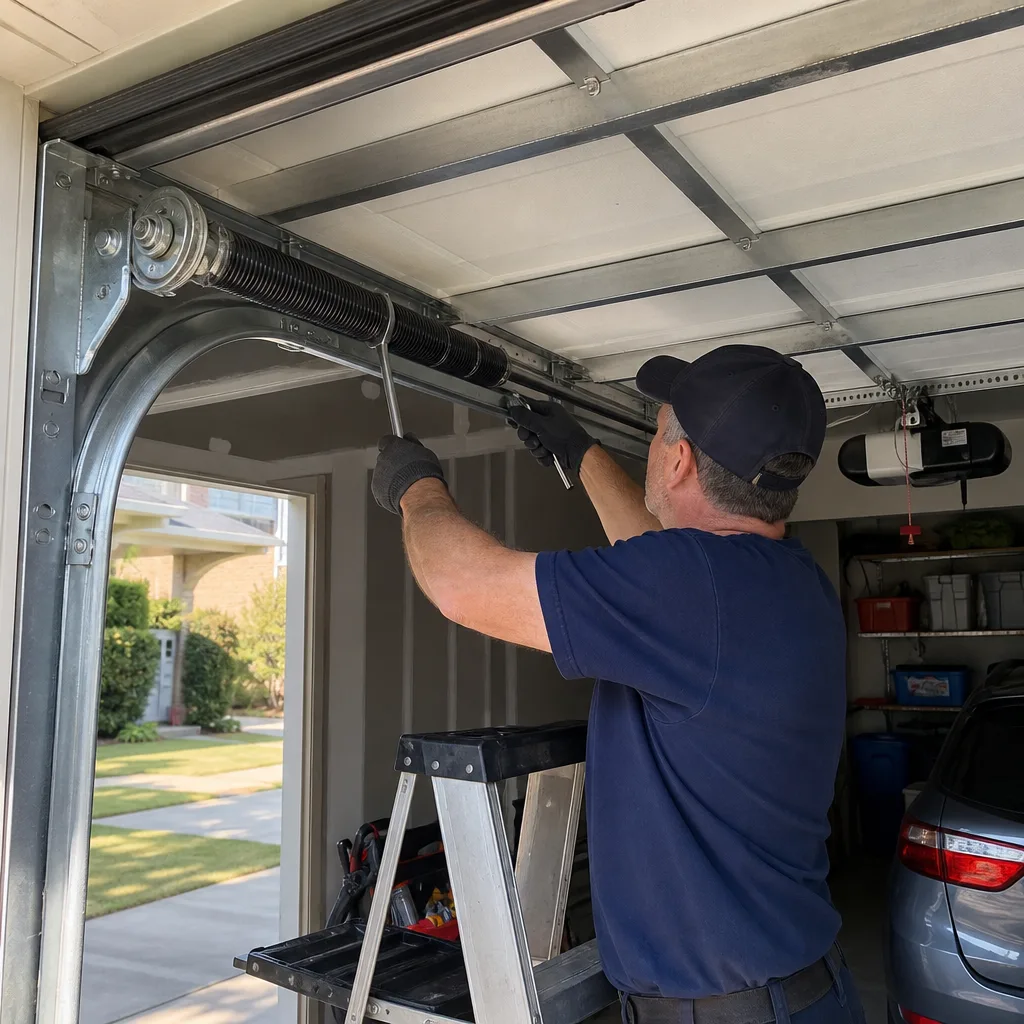 After
After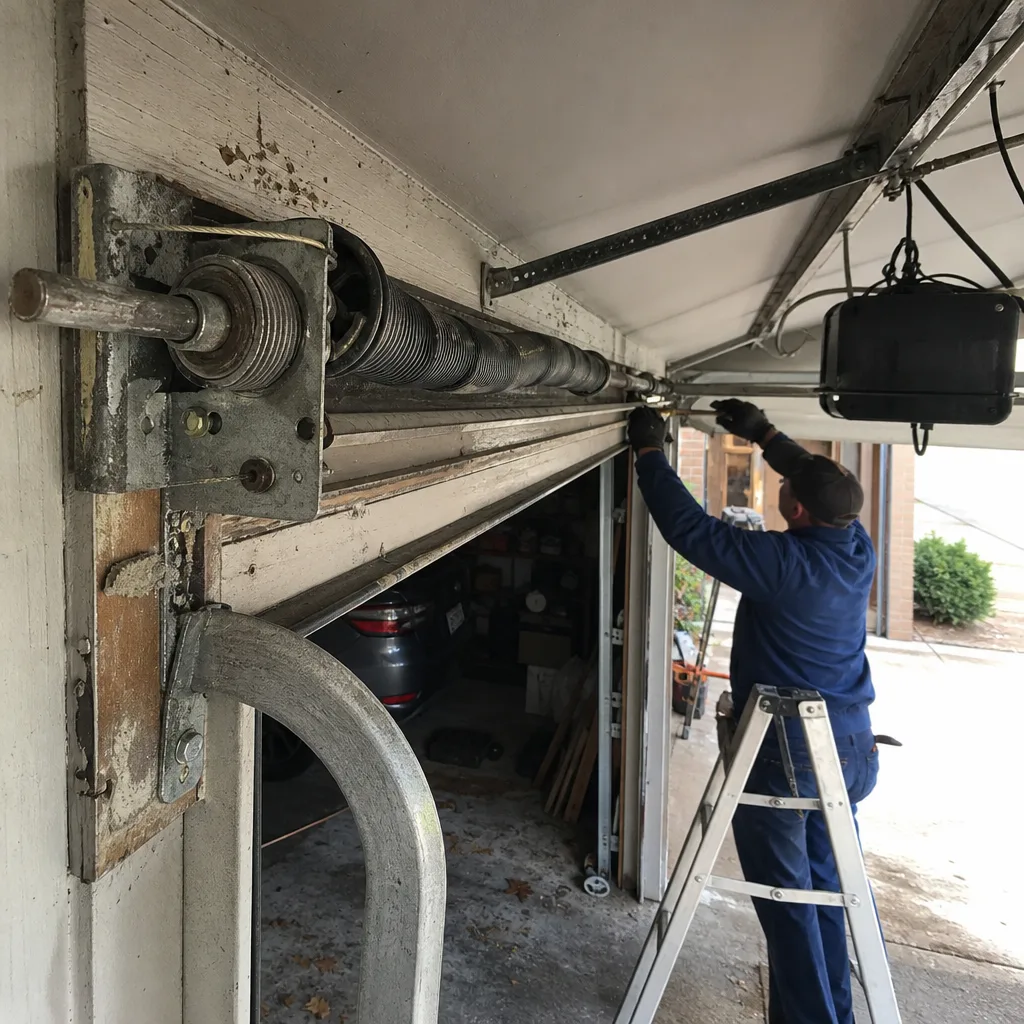 Before
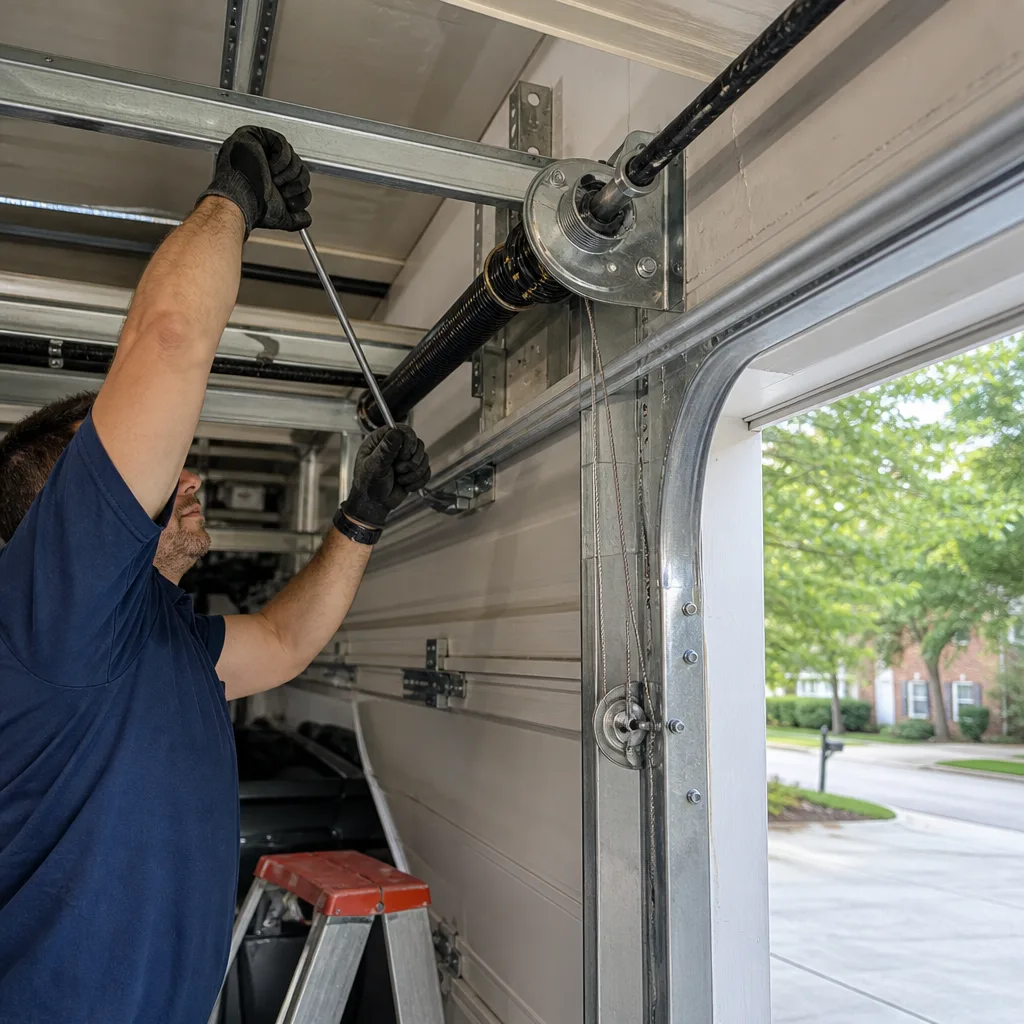 After
AfterFrequently Asked Questions
A professional garage door maintenance visit in Atlanta typically costs between $75 and $150 for a tune-up that includes lubrication, hardware tightening, balance testing, and safety reverse verification. If the visit is combined with a repair, the maintenance portion is often included in the repair cost. Call (229) 408-2364 for the exact price for your door model and condition.
In Atlanta, you should lubricate all moving metal parts every 60 to 90 days during the summer and every 90 days the rest of the year. The city’s heat and humidity cycle grease out of bearings faster than a cooler climate, so the manufacturer’s twice-a-year recommendation is insufficient here.
No. A torsion spring is under enough tension to cause serious injury or death if it is mishandled. The spring, cables, and cable drums should only be adjusted, replaced, or removed by a trained technician. This is a safety line we never cross, and neither should you.
Place a 2×4 board flat on the ground in the center of the door opening and close the door. The door should strike the board and reverse within two seconds. If it does not, the force setting is too high and the opener is unsafe to operate. Test monthly.
The rubber bottom seal freezes to the concrete when temperatures drop below freezing. The fix is to clean the concrete along the door’s path and apply a thin layer of silicone spray to the seal before cold weather arrives. This prevents the bond.
Yes. We are factory-trained to service openers from LiftMaster, Chamberlain, Genie, and Craftsman, and we work on doors from Amarr, Wayne Dalton, Raynor, Clopay, and other major manufacturers. Call (229) 408-2364 and have your opener’s model number ready, and we will tell you exactly what a repair costs before we arrive.
The Bottom Line
The garage door is the largest moving object in your Atlanta home, and it runs on components that wear out silently until they fail loudly. A maintenance routine built around Atlanta’s actual climate patterns, pollen season, summer humidity, and January freeze risk, prevents most of the breakdowns we see. Lubricate the moving metal parts every 60 to 90 days. Test the auto-reverse system monthly. Replace the bottom seal when it shows daylight. Document everything. And when the spring breaks or the cables fray, call a professional who will give you a written price before any work starts. Doyle Garage Doors Atlanta home is the starting point for any repair, installation, or opener service question.
Written by Aaron Teague, Owner at Doyle Garage Doors Atlanta, serving Atlanta since 2001.