
Last updated October 16, 2026
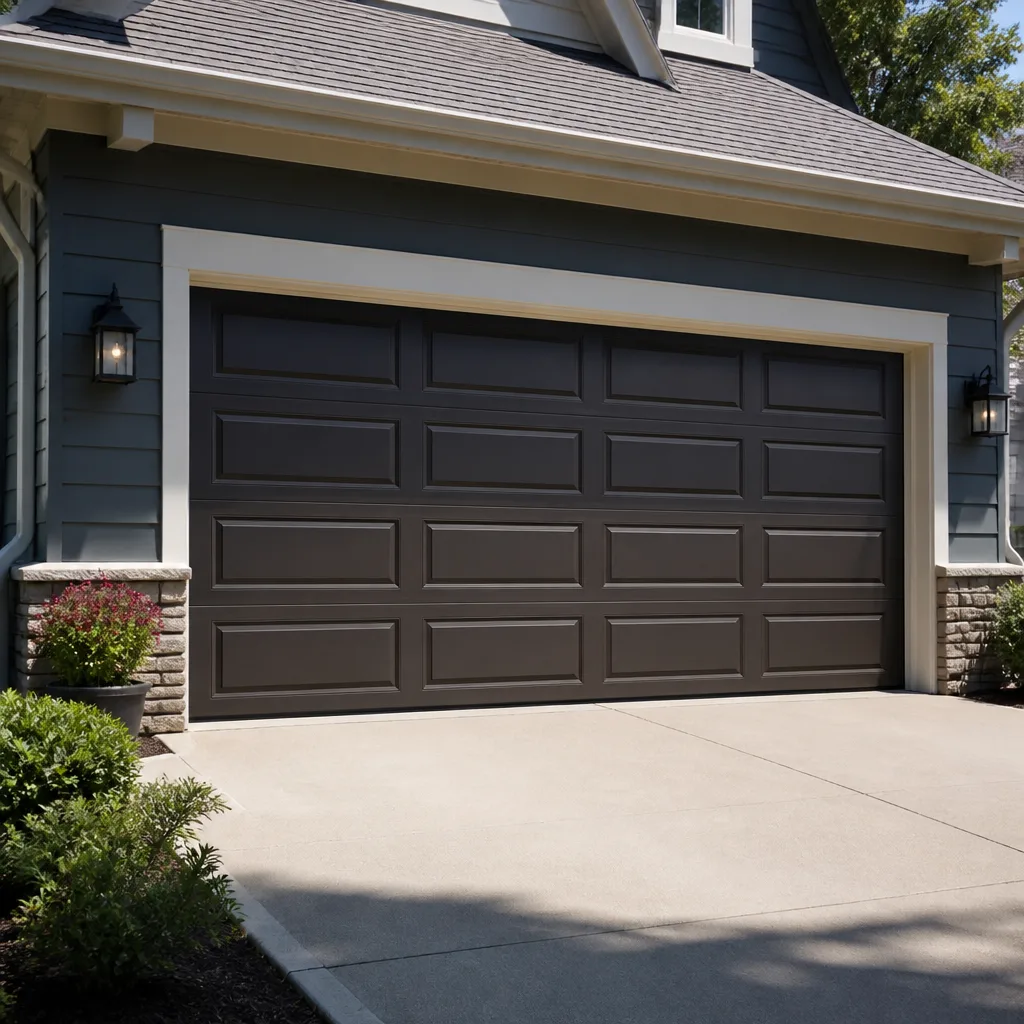 Raised-panel steel
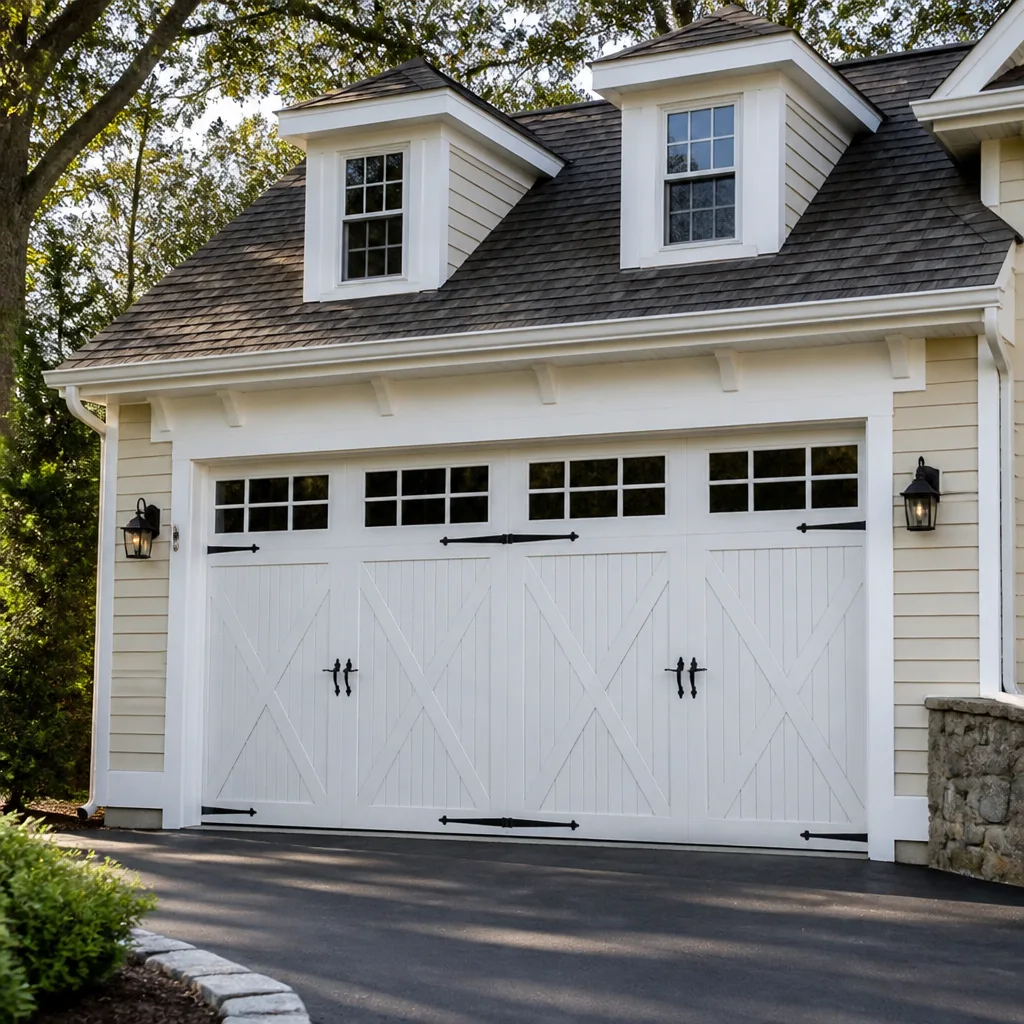 Carriage house
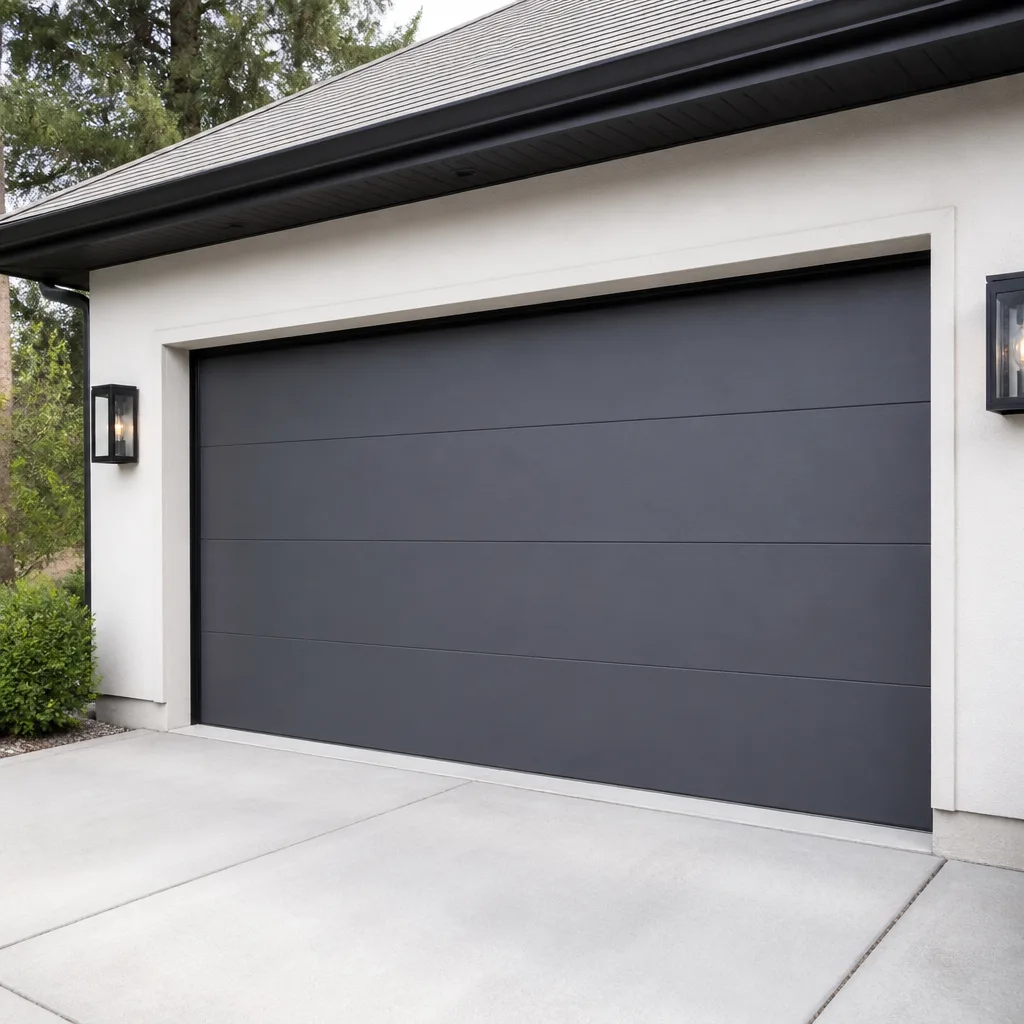 Modern flush
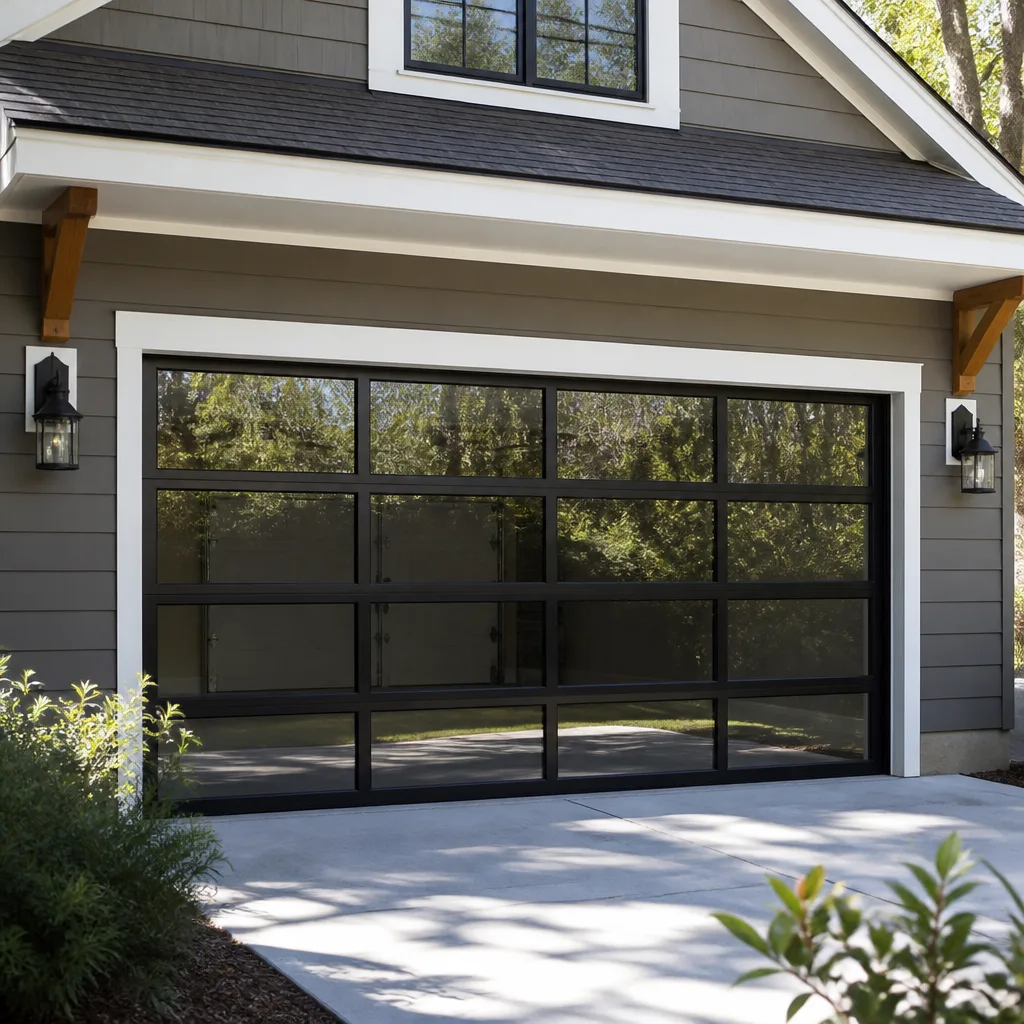 Full-view glass
 LiftMaster openers
 Chamberlain openers
Full 25-point door and opener safety check with every visit - springs, cables, rollers, tracks, and your LiftMaster or Chamberlain opener included
You get a price before we start. It does not change when the truck arrives.
Get your free estimateGarage Door Warning Signs: A Atlanta Homeowner’s Reference Guide
Here’s a stat that surprises most Atlanta homeowners: roughly 80% of the garage door breakdowns we roll out to on Monday mornings gave clear warning signs the previous month. The grinding, the hesitation, the slight sag on one side. Most people file those under “normal aging” and wait until the door refuses to open at 7 a.m. on a workday. This guide gives you something better than a vague sense that something’s off. It gives you a symptom-by-symptom urgency rating so you know whether to call today, schedule something this week, or just keep an eye on it. For a deeper dive, see The Complete Guide to Garage Door in Atlanta. Written from the perspective of technicians who work on Atlanta garage doors every day, here’s what actually matters, what it costs when you catch it early, and what it costs when you don’t.
Quick Answer
Garage door failures in Atlanta almost always announce themselves 30 to 90 days in advance through sounds, visual cues, and behavioral quirks. Staying ahead of them is what Seasonal Garage Door Care for Atlanta: Year-Round Homeowner’s Guide is all about. A grinding noise typically points to worn rollers or hinges (a $150 to $250 fix if caught early), while a visible gap in a torsion spring coil is a same-day repair because that spring is actively failing under load. The door moving slower than it did last year, reversing mid-travel, or the remote working only from close range are all concrete warning signs with specific causes and specific price tags attached.
Styles & brands we work with
Table of Contents
- Sounds That Mean Something: Grinding, Popping, Squealing, Banging
- Visual Warning Signs You Can See Without Touching Anything
- Behavioral Signs: When the Door Stops Acting Like It Used To
- Torsion Spring Gaps: The Same-Day Repair Nobody Should Ignore
- Warning Signs That Show Up in Atlanta Homes Specifically
- Trolley Carriage vs. Limit Switch: Two Different Problems, Two Very Different Bills
- What to Photograph and Film Before You Call
- Common Mistakes to Avoid
- When to Call a Professional
- Frequently Asked Questions
Sounds That Mean Something: Grinding, Popping, Squealing, Banging
A garage door has moving parts, and moving parts make noise. The question isn’t whether your door makes sound, it’s whether that sound is new, getting louder, or changing pitch. Here’s a breakdown of the four sounds Atlanta homeowners report most often, and what each one typically means.
Grinding (metal-on-metal scraping)
Grinding is the sound of two metal surfaces wearing each other down. The most common culprit is a failed nylon roller, a bearing, or a hinge that’s lost its lubrication. A nylon roller that’s been spinning on a steel shaft for 10 years will eventually wear through its nylon sleeve, which means the roller itself starts grinding directly against the steel shaft. Left alone, that $12 roller grinds a groove into a $200 steel shaft and takes out a $150 bearing plate with it. If you catch it when it’s still just a roller, you’re looking at $150 to $250 for a full roller replacement and tune-up. If it reaches the shaft and bearing plate, the bill jumps to $400 to $600. In neighborhoods like Decatur and East Atlanta Village where older single-car doors are common, we see this progression a lot.
Popping
A sharp popping sound, especially early in the door’s travel, usually means a torsion spring is binding or a cable drum is catching on a rough spot. Sometimes it’s the spring itself. Torsion springs, the large coils mounted above the door, make a popping noise when one coil rubs against another during winding and unwinding cycles. Occasional popping isn’t a crisis. Frequent popping, or popping that’s new and happens every time the door opens, is a warning sign that the spring has started to fatigue. Springs are rated for a specific number of cycles, typically 10,000 for standard springs and 15,000 to 20,000 for high-cycle springs. If your door is 8 to 12 years old and popping, the spring is likely approaching the end of its service life. A spring replacement in Atlanta typically runs $250 to $400 per spring, and most doors have two, so budget for both.
Squealing
Squealing is almost always a lubrication issue with hinges, rollers, or the opener’s rail. It’s the least alarming sound on this list, but it still deserves attention. A dry hinge wears faster. A dry opener rail puts extra strain on the trolley carriage, the part that connects the door arm to the opener chain or belt, which can shorten the opener’s life. If your door squeals, the fix is often simple: clean the tracks, lubricate the hinges and rollers with a silicone-based lubricant, and re-grease the opener rail. Most garage door pros in Atlanta charge $100 to $180 for a full lubrication and tune-up visit.
Banging or slamming
A bang when the door reaches the closed position means the door is traveling too fast or the opener’s force setting is too high. A bang when the door opens means the opener is pulling too hard against resistance, which often points to a spring that’s lost tension or a track that’s slightly out of alignment. Either way, the fix is a force-limit adjustment or a spring tension correction. This is not a DIY job. The springs on a garage door are under enormous tension, and a spring that lets go while someone is adjusting it is how homeowners end up in the ER. Call a pro.
Visual Warning Signs You Can See Without Touching Anything
Some warning signs don’t make a sound at all. You’ll spot them when you walk through your garage or pull in from work. Here’s what to look for.
- Cable slack or fraying: The steel cables on each side of the door should be taut. If one is slack, that means the tension is out of balance between the two sides. If you see individual wire strands poking out of the cable, it’s fraying and will eventually snap. A frayed cable in Atlanta should be addressed within the week. If it snaps, the door can slam down or hang crooked, and that’s a safety hazard for anyone standing nearby.
- Gap in a torsion spring coil: Stand in the middle of your garage, look up at the spring above the door, and check whether any section of the coil is separated. A healthy spring is a continuous coil from end to end. A visible gap means that section has already broken, and the remaining coils are doing all the work. This is an urgent repair, more on that below.
- Uneven door gap at the floor: With the door closed, walk outside and look at the bottom of the door where it meets the ground. If one side touches and the other side floats half an inch above the concrete, the door is out of balance. That means one side is doing more work than the other, which wears out rollers, hinges, and cables faster.
- Rust streaking on cable drums: The cable drums are the round pulleys mounted at each end of the torsion shaft. If you see rusty brown streaks running down from them, that’s moisture getting into the cable windings. In Atlanta, our humidity makes this a common problem. Left alone, rust weakens the cable and it snaps under load.
- Loose or missing bolts on hinges and brackets: Your door has hinge bolts along each section. Over time, the constant vibration of opening and closing can work those bolts loose. A loose hinge shifts the door’s weight, which forces other parts to compensate. A missing bolt is an easy fix that costs almost nothing, and it protects the rest of the system.
Behavioral Signs: When the Door Stops Acting Like It Used To
Behavioral signs are the ones homeowners often normalize because they happen gradually. The door was fast last year and is slow this year, but you only notice the difference if you’re paying attention. Here are the specific changes to watch for.
Slow travel
A door that takes noticeably longer to open or close than it did six months ago is often telling you that the springs are losing tension. The opener is a motor with a fixed output. When the springs weaken, the opener has to work harder to lift the same weight, which means it moves the door more slowly. A door that’s noticeably slow is usually a spring issue, not an opener issue. Replacing the springs typically solves it. In Atlanta, a standard two-spring replacement on a 7-foot door runs $350 to $550 total, depending on the spring rating and the door’s weight.
Reversing mid-travel
If the door starts to close, then reverses and goes back up without you pressing anything, the opener’s safety sensors think something is in the way. The two most common causes are misaligned photo-eyes (the little sensors on each side of the door near the floor) or a fluctuation in the door’s travel speed that trips the force limiter. The photo-eyes in Atlanta garages drift out of alignment for a reason specific to this region: our clay soil expands and contracts with moisture, which moves foundations by fractions of an inch, and that’s enough to knock the sensors out of alignment. Realigning them is simple. But if the door reverses because the opener is sensing too much resistance, that’s a spring or balance problem.
Remote range dropping
When your remote only works from 10 feet away but used to work from the street, that’s usually not a battery issue. It’s often LED light interference. Certain LED bulbs emit radio frequencies that interfere with the opener’s receiver, and if you recently replaced the bulb in your opener, that’s the first thing to check. The second thing to check is the opener’s logic board, which does wear out over time. A new logic board for a LiftMaster or Chamberlain opener costs $180 to $300 in Atlanta, and a new remote receiver is less. If swapping the bulb doesn’t fix it, call a technician who carries the parts on the truck.
The door jerks or shudders when moving
A door that shakes and shudders as it travels usually has worn rollers, a bent track, or a loose chain or belt. The shuddering is the door’s own weight fighting against misalignment. This is a “call this week” item. It won’t catastrophically fail tomorrow, but every cycle is wearing parts faster than they should wear.
Torsion Spring Gaps: The Same-Day Repair Nobody Should Ignore
Here’s the physics of why a visible gap in a torsion spring is urgent. A typical residential torsion spring is a single piece of hardened steel coil, wound tight and mounted above the door. When it’s healthy, that coil is continuous. When a section of it breaks, the two halves separate and you see a gap. What you’re seeing is a spring that has already failed. The remaining intact sections are now carrying the full load of the door, which they weren’t designed to do. They’re overstressed, which means they’re much more likely to fail too. When that second failure happens, it happens fast, and it can send broken spring fragments flying with enough force to injure anyone in the garage.
That’s why a visible gap is a same-day call for us. Not because the door will definitely fail tonight, but because the risk has shifted from “probably fine” to “could fail at any moment.” The repair itself is not optional. You cannot safely open and close a door with one broken spring. If you try, the opener strains against the imbalance, the cables can jump the drums, and the door can come off its tracks. If we sound serious about this, it’s because we are. Extension springs and torsion springs both store enormous energy. Spring repair is the one garage door repair where DIY attempts regularly send people to the emergency room. Do not attempt this yourself. Call someone who does this every day. A spring replacement in Atlanta is a $250 to $400 per spring job, most doors need both replaced at once, and most companies can do it same-day when you call in the morning.
If you’re not sure whether what you’re seeing counts as a gap, take a photo with your phone and call us. We’ll walk you through exactly what to look for, and we’ll tell you honestly whether it’s urgent or whether you have some time.
Warning Signs That Show Up in Atlanta Homes Specifically
Every city’s climate stamps its own fingerprint on garage doors. Some of the warning signs we see most often in Atlanta barely register in drier cities. Here’s what’s specific to this region.
Rust streaking on cable drums and bottom brackets
Atlanta’s average relative humidity hovers around 68% year-round. Summer months regularly stay above 75%. That moisture interacts with the steel components of your garage door: cable drums, cables, bottom brackets, hinges. Surface rust on those parts is not just cosmetic. Rust on a cable weakens the individual wire strands, and a cable that snaps under load drops the door suddenly. If you see brown streaking on your cable drums, schedule a cable inspection this month. Catching it early means a $150 to $250 cable replacement. Waiting until it snaps can mean a damaged door panel and a $400 to $700 repair.
Paint bubbling on the bottom section
Atlanta’s red clay soil holds moisture differently than the sandy soil you find in places like the Florida panhandle or the Carolina coast. When it rains, that clay expands. When it dries, it contracts. Over years of wet-dry cycles, this can shift your garage slab by fractions of an inch. If the bottom section of your door sits close to the slab and the slab has shifted, water wicks up into the bottom panel. You’ll see it as bubbling paint, peeling finish, or a soft, spongy bottom edge. The warning sign here is not the door itself, it’s what the moisture is doing to the panel and to the track alignment. If you see bubbling on the bottom section, check whether the door still seals evenly against the floor. If it doesn’t, water is getting in, and the panel is absorbing it. In some cases, replacing the bottom weather seal fixes the issue. In others, the panel is already too far gone and needs replacement.
Photo-eye drift from foundation movement
Earlier I mentioned that reversing mid-travel can be caused by misaligned photo-eyes. In Atlanta, that misalignment is often the result of foundation movement. The photo-eyes are mounted to the garage floor or to the track near the floor. When the slab shifts by a quarter-inch, the sensors can drift out of their beam path. If your door reverses randomly and you have clay soil under your slab, this is the first thing to check. The fix is usually a simple realignment, and most techs will do it as part of a service call for $100 to $150.
Insulation breakdown and hot garage syndrome
Atlanta summers regularly hit the mid-90s. If your door’s insulation has degraded, you’ll notice it first in July: the garage becomes unbearable, and the room above it, if you have one, gets noticeably warmer. The warning sign is not the heat itself, but what it indicates. An insulated door that no longer insulates has either lost its seal or broken down internally. For homes in Buckhead, Virginia-Highland, and other older neighborhoods where garage-to-house temperature transfer is a real issue, this is worth addressing before summer. Replacing an uninsulated single-car door with an insulated one in Atlanta runs $1,200 to $2,500 depending on the model.
Trolley Carriage vs. Limit Switch: Two Different Problems, Two Very Different Bills
This is a distinction most homeowners never learn until they’re paying for the wrong repair. Both problems show up as a door that doesn’t travel correctly, but they’re caused by entirely different components.
The trolley carriage
The trolley carriage is the small cart that rides along the opener rail. It has a release mechanism attached to the red emergency cord that dangles from the rail. When the trolley carriage wears out, the door will open partway and then slip, or the opener will run but the door won’t move at all. You might hear the motor humming but see the door sitting still. The carriage teeth have stripped or the internal release mechanism has worn out. A replacement trolley carriage is typically $120 to $200, depending on the opener model. It’s a straightforward swap, but it requires knowing the exact carriage and rail profile for your specific opener.
The limit switch
The limit switch is the component inside the opener that tells the motor how far to travel in each direction. When it wears out, the door doesn’t know where to stop. It might open all the way and then slam against the stops, or it might close and grind against the floor. A failing limit switch is an opener repair, not a door repair, and the price point is different: typically $180 to $300 for the part and labor. Some openers, especially older Genie and Craftsman models, have the limit switch integrated into the logic board, which can push the price closer to $300.
Here’s how to tell them apart. If the opener runs and the door moves but stops in the wrong place, think limit switch. If the opener runs and the door doesn’t move at all, or moves then slips back, think trolley carriage. If you’re not sure, describe what you’re seeing to a technician on the phone. A good shop will ask the right questions and give you a realistic price range before anyone drives out. Our Garage Door Opener Repair in Atlanta service covers both of these fixes and everything else opener-related.
What to Photograph and Film Before You Call
Here’s a concrete way to make your repair call faster, more accurate, and more likely to get an exact written quote on the first visit.
- Take a wide shot of the full door from inside the garage. Stand 10 to 12 feet back and capture the entire door, top to bottom, left to right, including the tracks on both sides. This gives the technician context on door size, track type, and overall condition.
- Take a close-up of the torsion spring. Get the whole spring in frame, from cone to cone. If you saw a gap, zoom in on it. A clear spring photo lets the technician know before they arrive what they’re dealing with.
- Take close-ups of the cable drums on both sides. These are the round pulleys at the top corners. If you’re seeing rust streaking or frayed cable strands, capture that.
- Shoot a 10-second video of the door cycling. Place your phone on a tripod or prop it against a box so it’s stable, and film the door going from closed to open and back. If the door makes a sound, the video will capture it, and the technician can hear exactly what you hear.
- Photograph the bottom section from outside with the door closed. This shows whether the door sits evenly against the floor, which tells us a lot about balance and track alignment.
Total time: under 5 minutes. What it buys you: a technician who arrives already knowing what they’re looking at, which means a faster diagnosis and a written quote with fewer surprises. It also means the price you get quoted on the phone is much more likely to match the price on the written estimate when we arrive.
See the difference
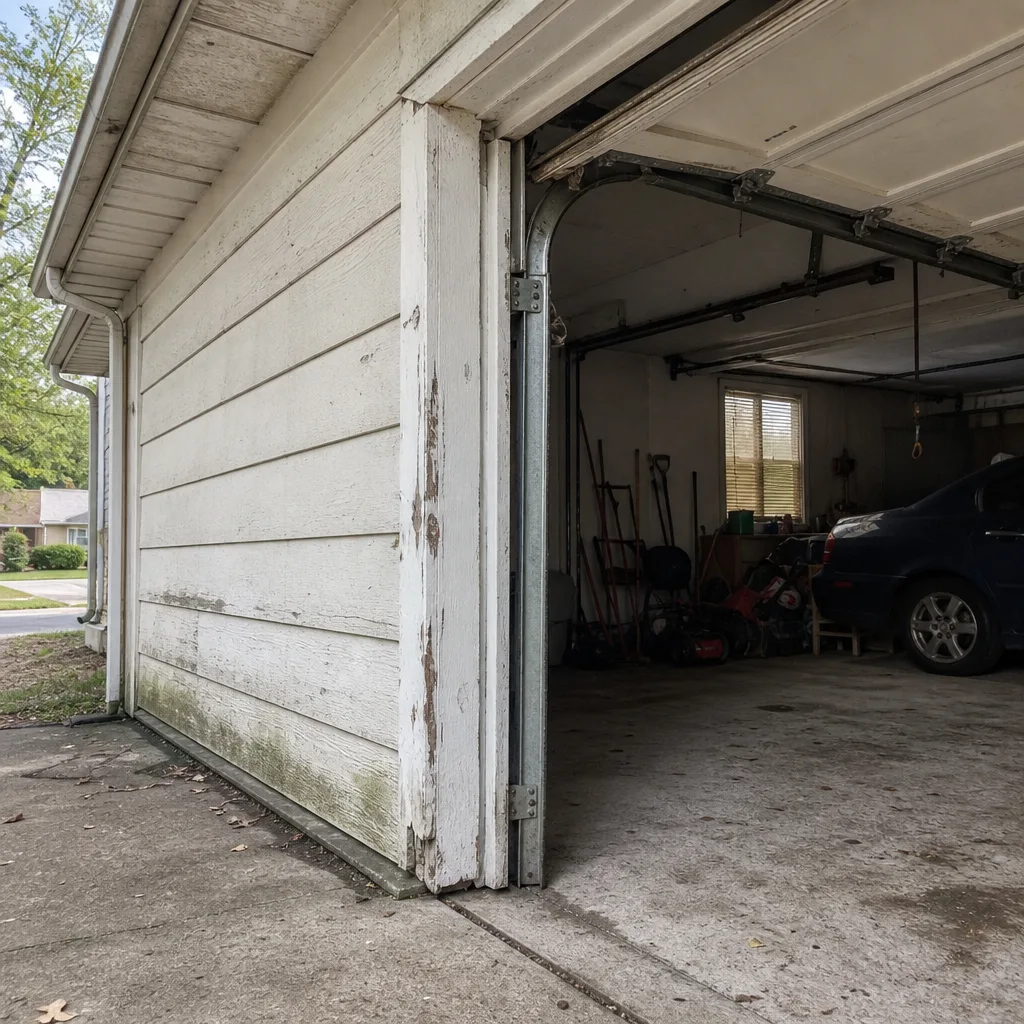 Before
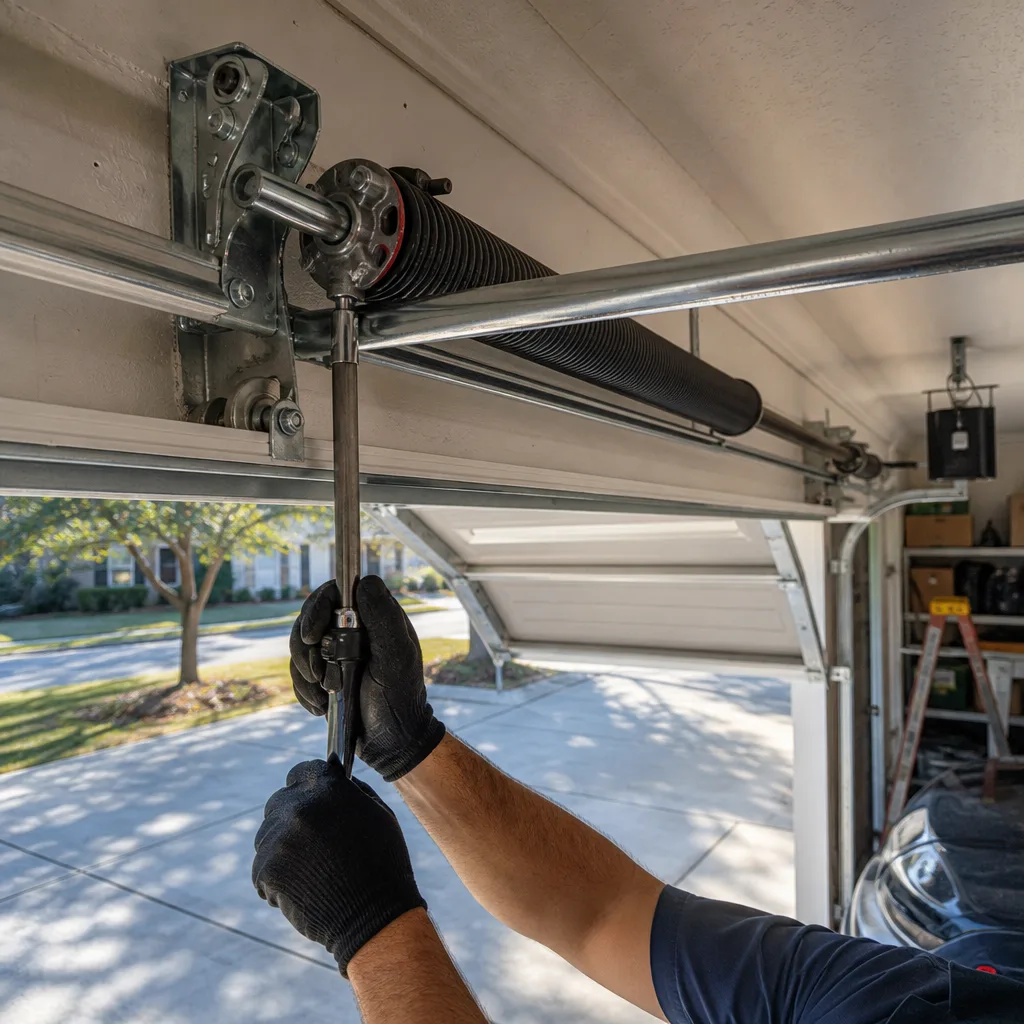 After
After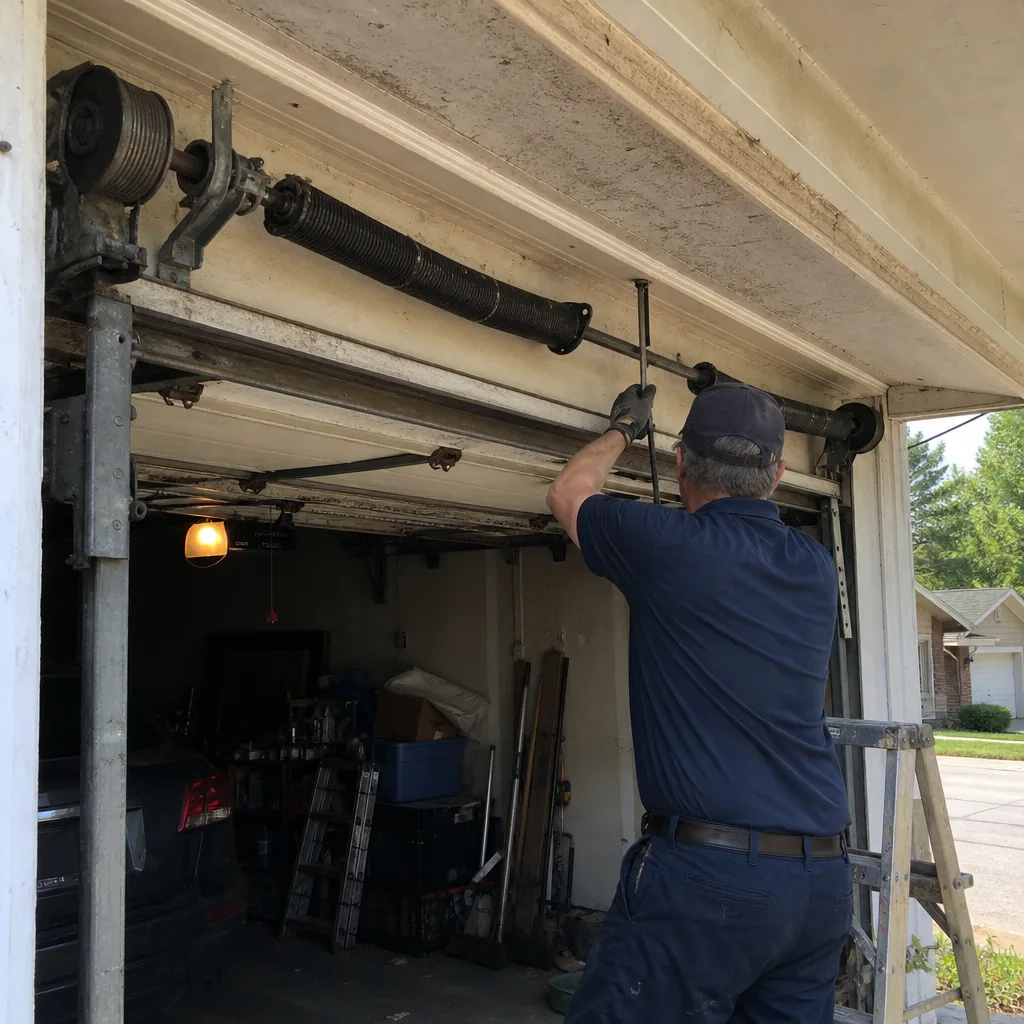 Before
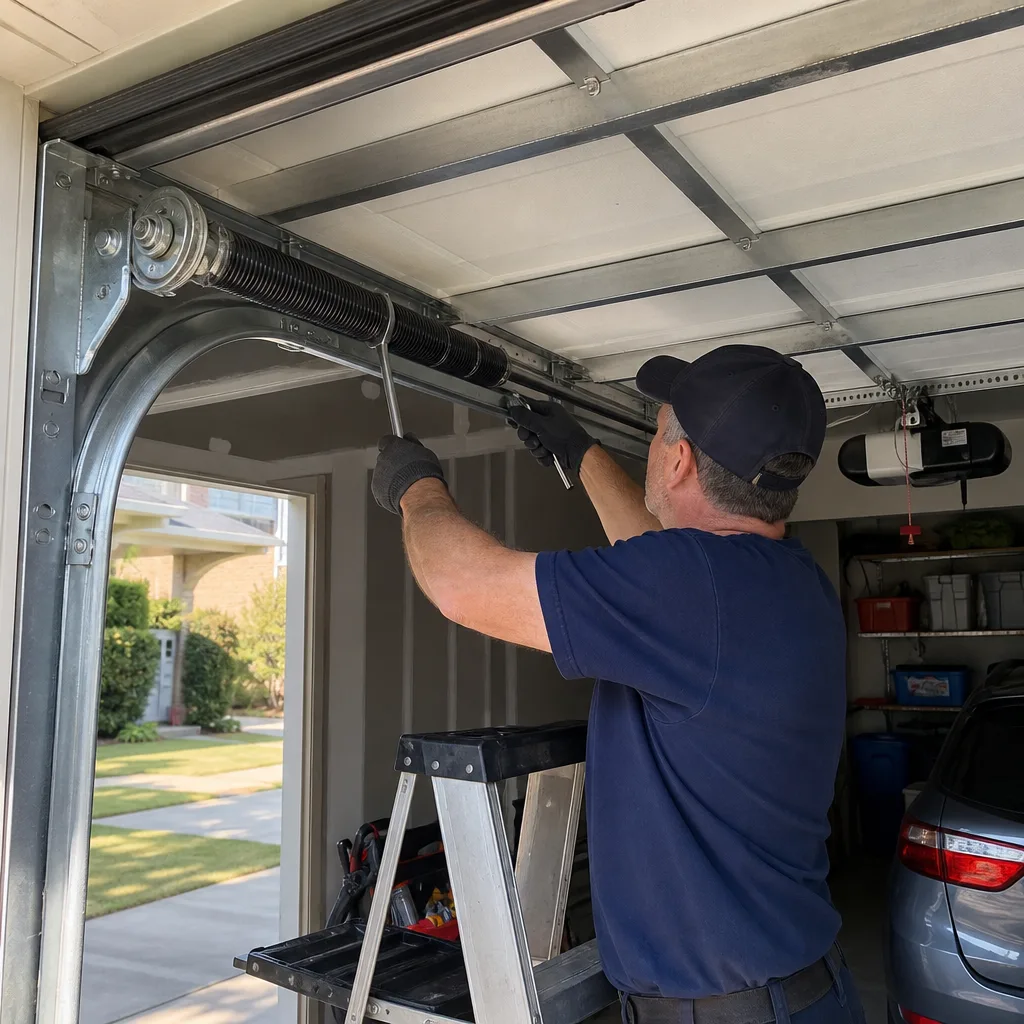 After
After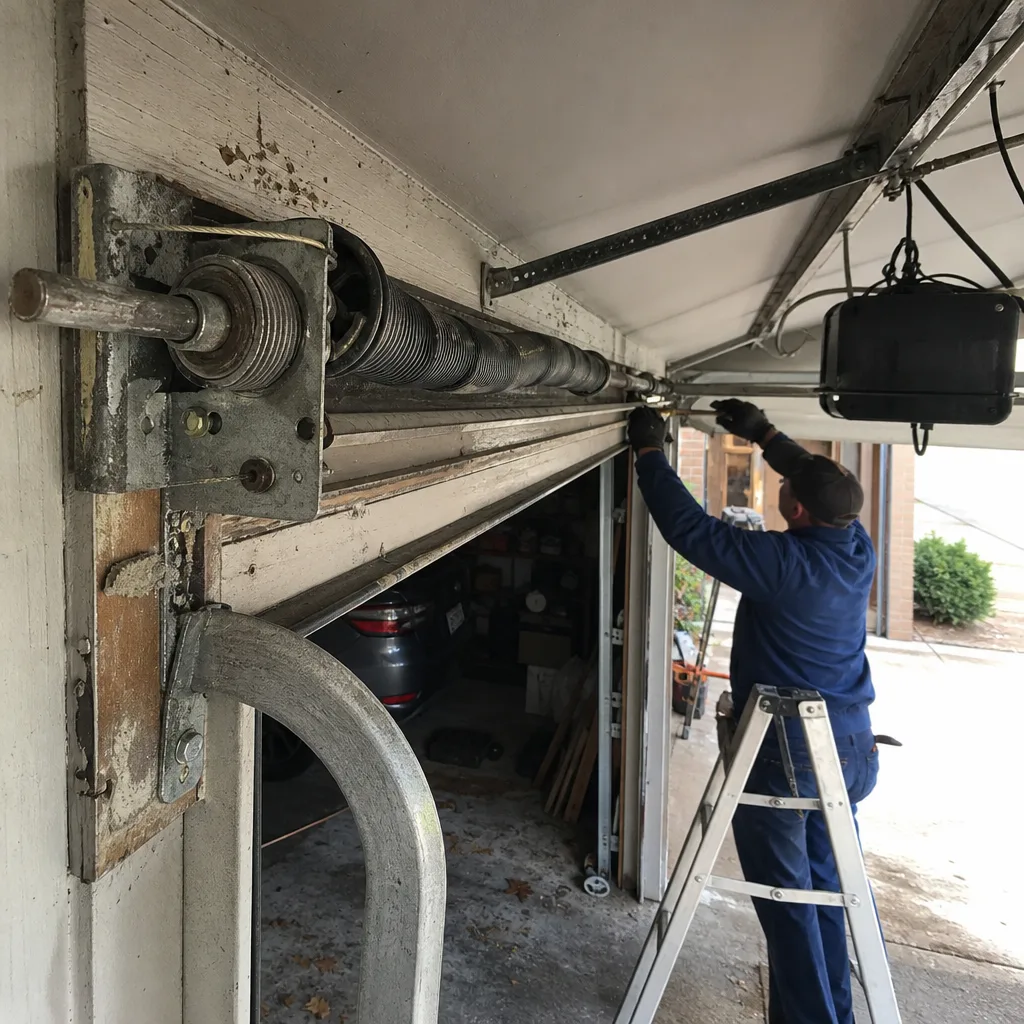 Before
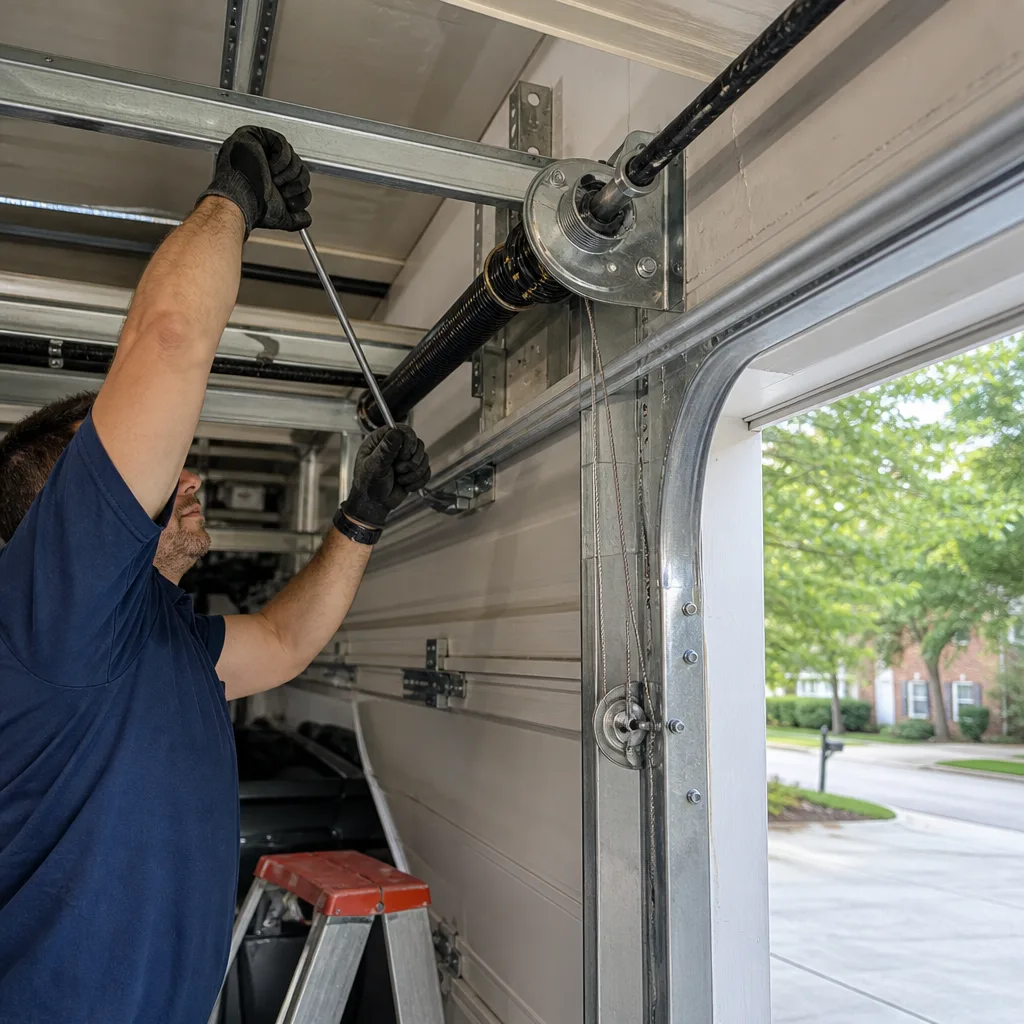 After
AfterKey Takeaways
- Most garage door failures give 30 to 90 days of warning. The fix is cheaper and faster when caught during that window.
- Grinding means a worn roller or bearing. Fix it for $150 to $250, or wait until it becomes a $400 to $600 shaft and bearing plate repair.
- A visible gap in a torsion spring is a same-day repair. Do not attempt it yourself.
- Slow travel, mid-travel reversal, and remote range drop are all concrete diagnostic clues, not random quirks.
- Atlanta’s humidity and clay soil create specific warning signs: rust streaking, paint bubbling, and photo-eye drift.
- Photograph and film your door before calling. It makes the quote accurate and the first visit faster.
Common Mistakes to Avoid
- Ignoring a grinding sound because “it still works.” A grinding roller is actively damaging the shaft and bearing plate. The repair cost multiplies by three if you wait two months. This is the single most expensive mistake we see in Atlanta garages.
- Attempting torsion spring repair as a DIY project. Torsion springs are under enough tension to remove fingers, break bones, and cause serious head injuries. The winding bars, the correct spring size, the correct winding count, and the balancing procedure require training. This is the one repair where even a partial DIY attempt can cause catastrophic injury.
- Replacing the opener when the springs are the problem. A door that’s slow, heavy, or labored is usually a spring issue, not a motor issue. Homeowners replace a $400 opener when the real fix is a $350 spring replacement. A technician who diagnoses properly will check the springs before recommending an opener replacement.
- Lubricating with WD-40. WD-40 is a solvent, not a lubricant. It strips away the existing grease and leaves the part dryer than before. Use a silicone-based lubricant on hinges and rollers, and a lithium-based grease on the opener rail.
- Waiting to replace both springs when one breaks. The two springs on a standard door are rated for the same number of cycles. When one breaks, the other is days or weeks behind it. Replacing both at once costs more up front but saves you a second service call fee, and a second period where your door is running on one overstressed spring.
- Not testing the auto-reverse safety feature. Every garage door opener made since 1993 has an auto-reverse mechanism that should stop and reverse the door if it hits an obstruction. Place a roll of paper towels under the door and close it. If the door doesn’t reverse, that’s a safety system failure. This is a “call today” item, especially if you have children or pets in the house.
- Assuming a crooked door is just cosmetic. A door that sits unevenly at the floor is telling you the balance is off. Running an unbalanced door wears out every moving part faster and strains the opener. The longer you run it out of balance, the more parts you’ll need to replace.
When to Call a Professional
Call a professional today if you see a visible gap in a torsion spring, if the door slams when it closes, if the auto-reverse feature fails your paper-towel test, or if a cable shows fraying. Not sure who to trust? Read How to Hire a Garage Door Contractor in Atlanta: A Step-by-Step Guide first. These are active safety issues. Call within the week if you hear grinding, if the door is noticeably slower than it used to be, or if it reverses mid-travel. These are mechanical issues that get more expensive every day they run.
Doyle Garage Doors Atlanta offers free estimates throughout Atlanta and the surrounding metro area. For more guides & resources, visit our blog. A live person answers the phone day, night, weekends, and holidays at (229) 408-2364. Call us and describe what you’re hearing and seeing. We’ll give you an honest assessment over the phone, a realistic price range before anyone drives out, and the technician’s name and photo before they arrive at your door.
Frequently Asked Questions
A standard two-spring replacement on a 7-foot residential door in Atlanta typically runs $350 to $550 total, including parts and labor. Single-spring replacements run $250 to $400. High-cycle springs, which last 15,000 to 20,000 cycles, cost $50 to $80 more per spring. Call us at (229) 408-2364 for an exact quote on your specific door, estimates are free.
Yes. When a torsion spring breaks, we treat it as a same-day priority. A live person answers our phone 24/7, and if you call before 2 p.m., we can typically have a technician at your door the same day. Call (229) 408-2364 and we’ll give you a realistic arrival window before you hang up.
No. The price you receive is a written quote, handed to you before any work begins, and that’s the price you pay. If we find something additional during the repair, we’ll stop and show you the new written price before touching anything else. No verbal estimates, no invoice surprises. That’s the standard we’ve held since 2001.
Yes, on most repair calls. Our trucks carry torsion and extension springs in common sizes, rollers, hinges, cables, cable drums, trolley carriages, photo-eyes, and limit switches for the brands we service, including Chamberlain, Genie, and Clopay. If your door needs something we don’t have on hand, we’ll tell you before the visit and schedule the follow-up at a time that works for you.
A door that opens uncommanded usually means a signal interference issue or a failing logic board. The first thing to check is whether a neighboring opener is on the same frequency, which happens in dense Atlanta neighborhoods like Midtown and Old Fourth Ward. The second is the logic board in the opener itself. A Garage Door Repair in Atlanta technician can diagnose both and give you a written quote before any work starts.
It depends on the condition of the panels, the track, and the opener. If your door is 15 to 20 years old, has rusted panels, failing insulation, and a worn opener, a new insulated door with a modern opener often makes more financial sense than repeated repairs. A new insulated door installation in Atlanta runs $1,200 to $2,500 for a single-car door and $2,000 to $4,000 for a double, depending on the brand and insulation rating. Our Garage Door Installation in Atlanta service includes a free measure and written estimate before you commit to anything.
The Bottom Line
Your garage door tells you when it’s failing. The grinding roller, the spring gap, the door that hesitates, the cable that frays, the photo-eye that drifts out of alignment. Every one of those signs is information. The question is whether you act on it while the fix is measured in the low hundreds, or whether you wait for the day it refuses to open and the bill lands in the high hundreds. If you’re seeing any of the warning signs in this guide, take five minutes to photograph and film what you’re seeing, then call Doyle Garage Doors Atlanta home at (229) 408-2364. A real person answers, the estimate is free, and you’ll know exactly who’s coming to your door before they arrive.
Written by Aaron Teague, Owner at Doyle Garage Doors Atlanta, serving Atlanta since 2001.