
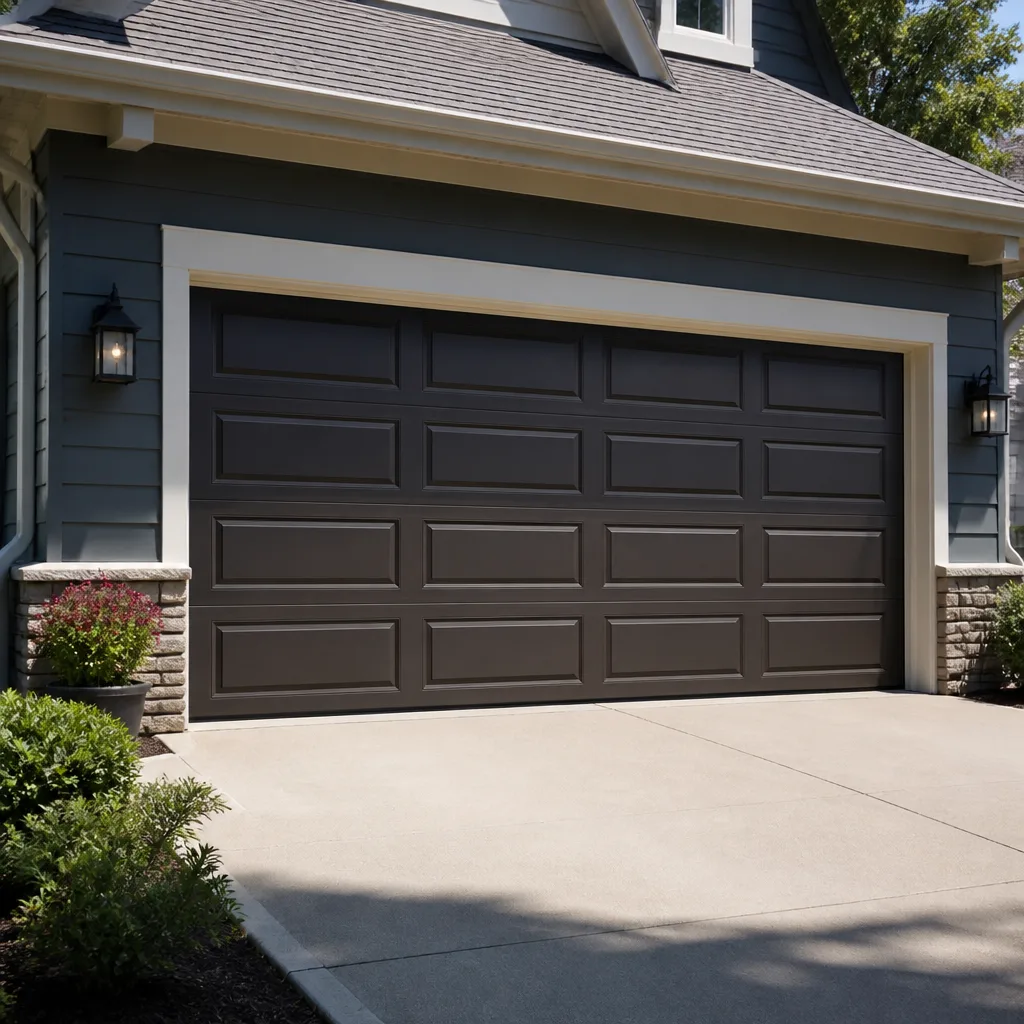
 Raised-panel steel
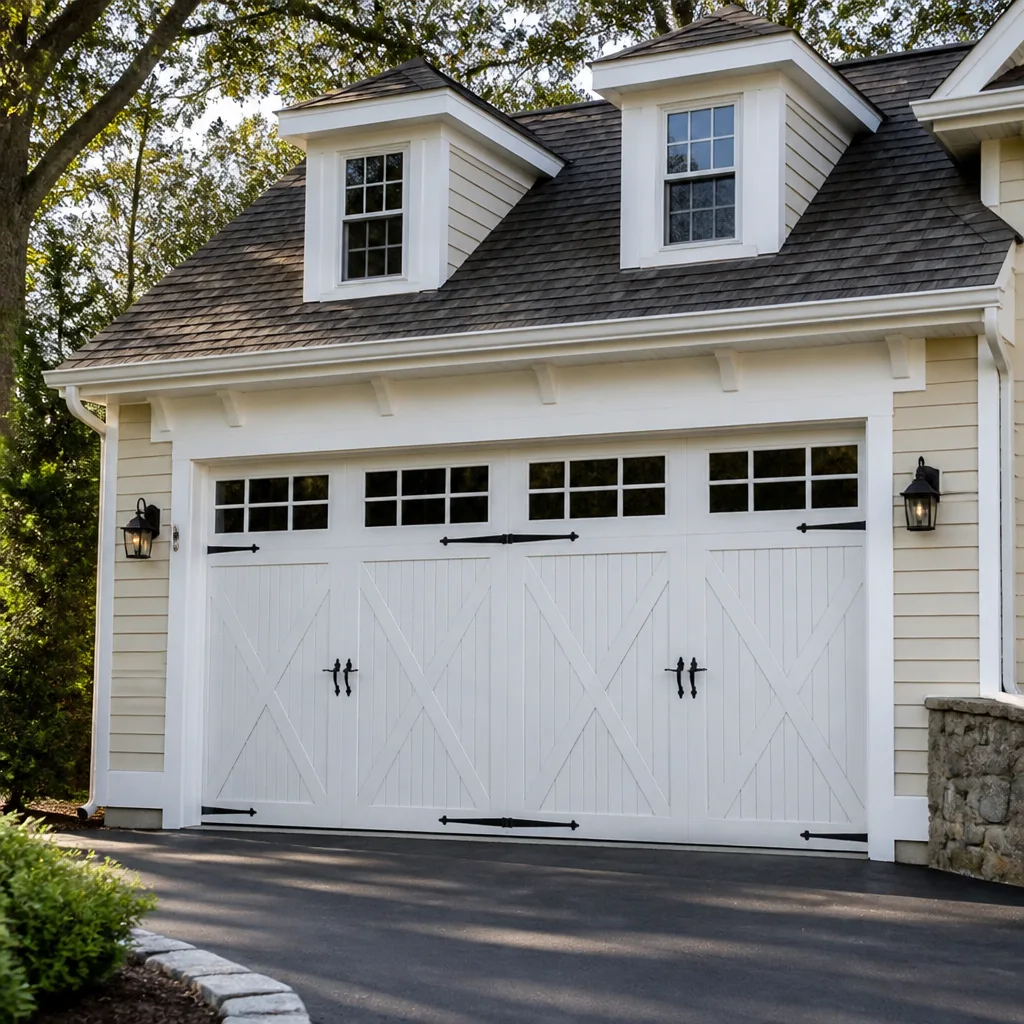 Carriage house
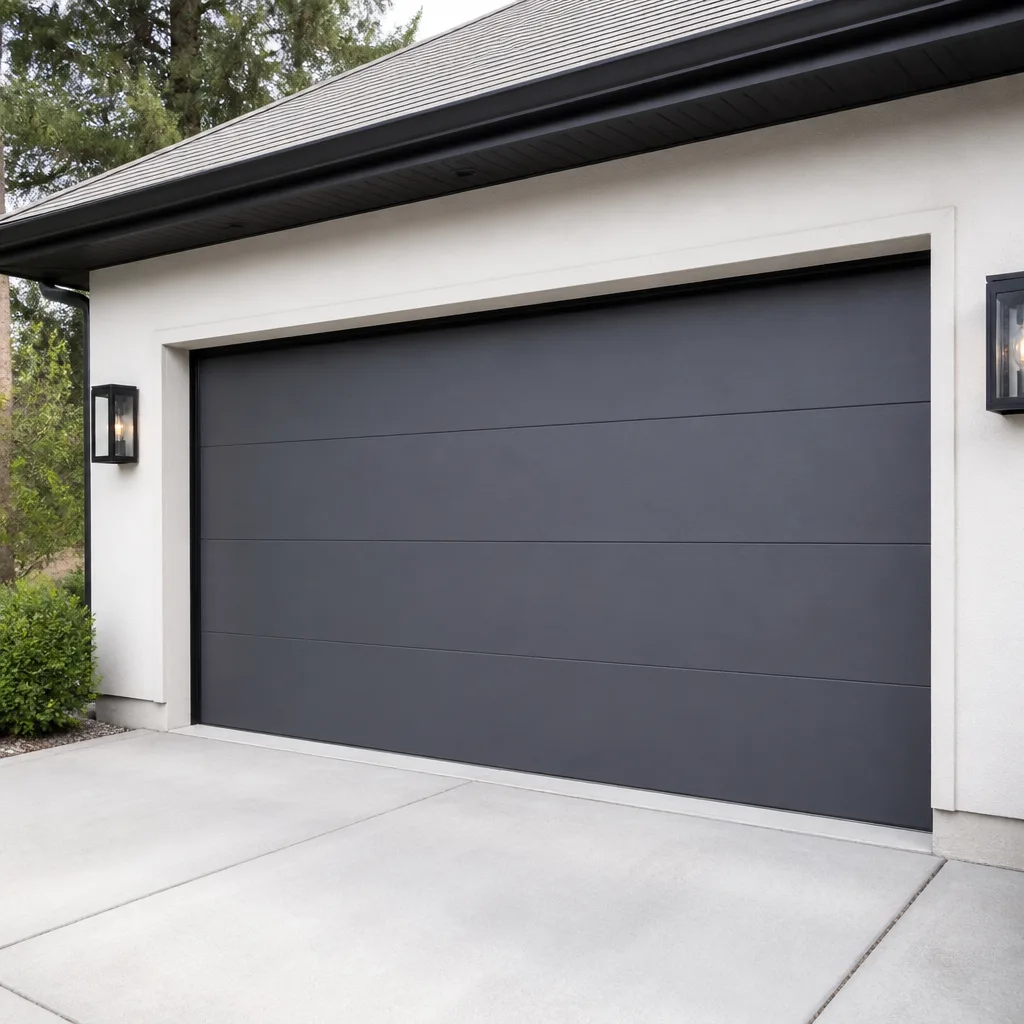 Modern flush
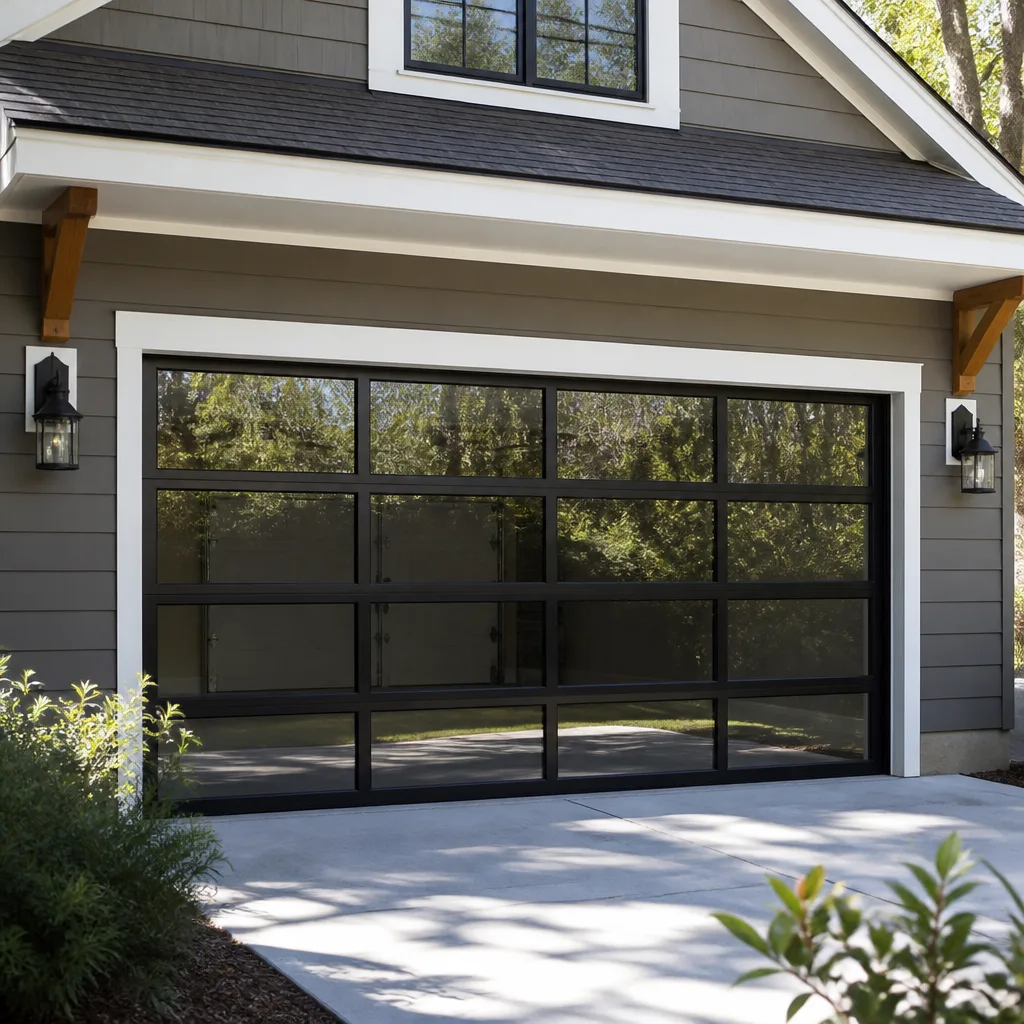 Full-view glass
 LiftMaster openers
 Chamberlain openers
Full 25-point door and opener safety check with every visit - springs, cables, rollers, tracks, and your LiftMaster or Chamberlain opener included
You get a price before we start. It does not change when the truck arrives.
Get your free estimateWayne Dalton Weather Seal Replacement: The Atlanta Owner’s Guide
We stock and install Wayne Dalton-compatible weather seal replacement in Atlanta for $51 – $190 installed, and in most cases we can have it done the same day you call. The weather seal is the flexible rubber strip that runs along the bottom of your garage door, and when it fails you’ll usually notice daylight sneaking under the door, water pooling on the floor after a hard rain, or a sudden jump in dust and bugs making their way into the garage. Most homeowners discover a failed Wayne Dalton seal right before or right after a heavy Atlanta downpour, when the driveway washes sideways and the floor stays wet for hours.
Which Wayne Dalton Models This Applies To
This covers every residential Wayne Dalton line we see in Atlanta garages, from the older 8000 and 9000 series to the newer 9100 through 9700, plus the Classic Steel models 8300 and 8500, and the Thermospan and ThermoMark insulated doors. Wayne Dalton uses a few bottom seal profiles depending on the year and the retainer style. The two most common are the T-style (also called a bulb seal with a single or double T slot) and the flat slide-in style that runs through a U-channel retainer. The T-style is the one that gives owners fits because the T is wider than most generic replacements. If you grab a universal seal from a box store, the T often flops right out of the track. That’s the number one compatibility gotcha we correct after a DIY attempt fails. Matching the OEM Wayne Dalton part number is the cleanest route, and for most Atlanta homeowners, an OEM seal runs $32 – $72 for the material alone depending on the width. A quality aftermarket T-seal with the correct dimensions performs fine and saves a few dollars, but we’re honest about the difference: OEM fits exactly, aftermarket sometimes needs a trim pass at the ends. We also stock a thick bottom astragal for the 9100 or 9600 series that handles Atlanta’s heat better than the original because the rubber compound is rated for sustained 95-plus degree days without getting stiff and cracking mid-summer.
Styles & brands we work with
Signs Your Wayne Dalton Weather Seal Replacement Is Failing
- Visible daylight under the door. Press the door down with your foot and check at the center and corners. If you see light in more than one spot, the seal has compressed, torn, or slipped out of its retainer. Atlanta’s clay-heavy soil settles, and the slab shifts enough to wear the seal unevenly even when the seal itself is sound.
- Water migrating in during routine storms. A 20-minute Atlanta thunderstorm shouldn’t put water on your garage floor. If the last few storms did, the bulb on the seal has likely flattened to the point it can’t channel water away from the opening. This is the most common complaint we hear in the beltline neighborhoods between May and September.
- Dust, leaf litter, or insect activity along the door’s interior edge. The gap doesn’t have to be big to be useful. Ants, roaches, and Georgia’s sizable wolf spiders only need an eighth of an inch. If you’re finding more debris and bugs right where the door meets the slab, the seal is done.
- Visible cracking, hardening, or flattening along the bottom bulb. Wayne Dalton seals can look fine from a distance, but run your thumb along the rubber. If it feels stiff, brittle, or crumbles under pressure, the rubber has oxidized. Georgia’s heat and humidity do exactly this to rubber components, typically within four to seven years.
- Garage temperature rising noticeably in the summer. A failed bottom seal turns your garage into a heat sink. If you’ve seen a 15-degree jump this season with no other changes, that seal is leaking conditioned air and pulling in the afternoon humidity. We see this constantly in South Atlanta, where garages face the afternoon sun.
See the difference
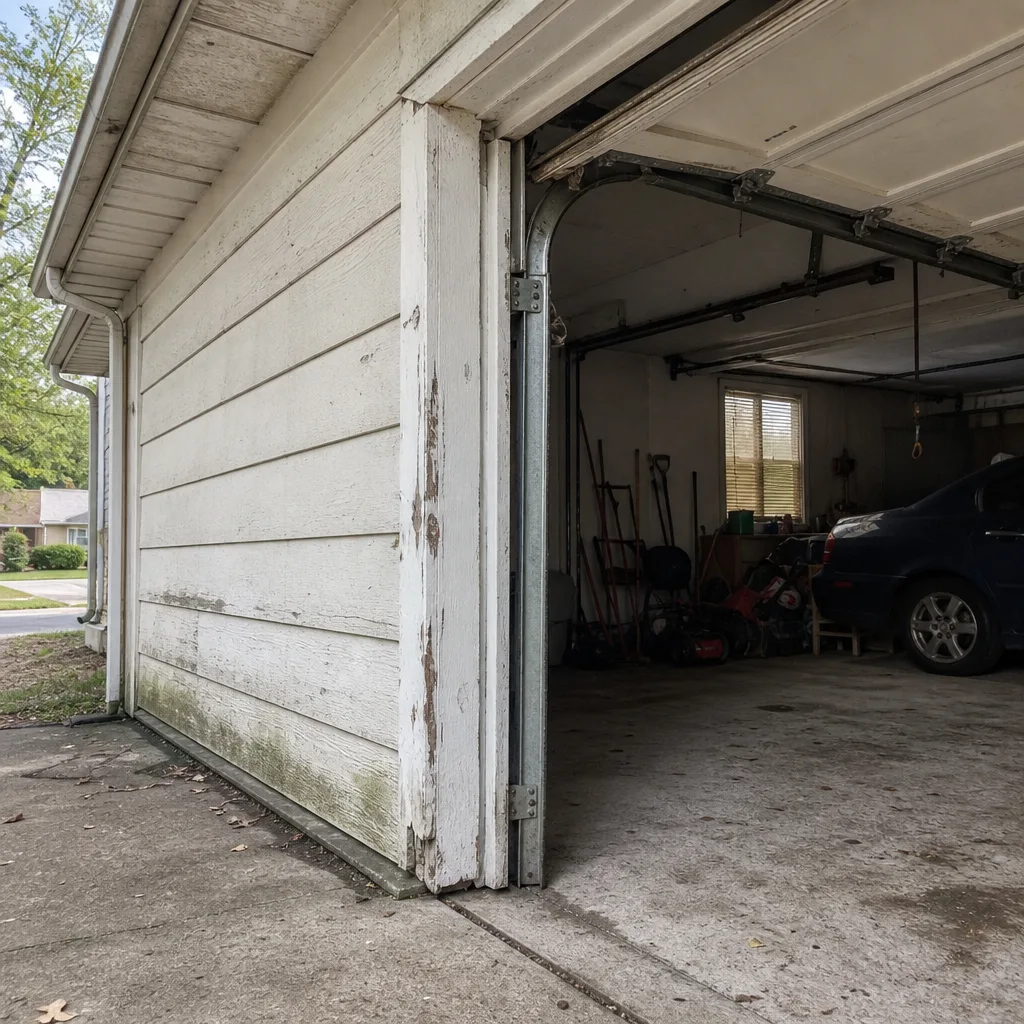 Before
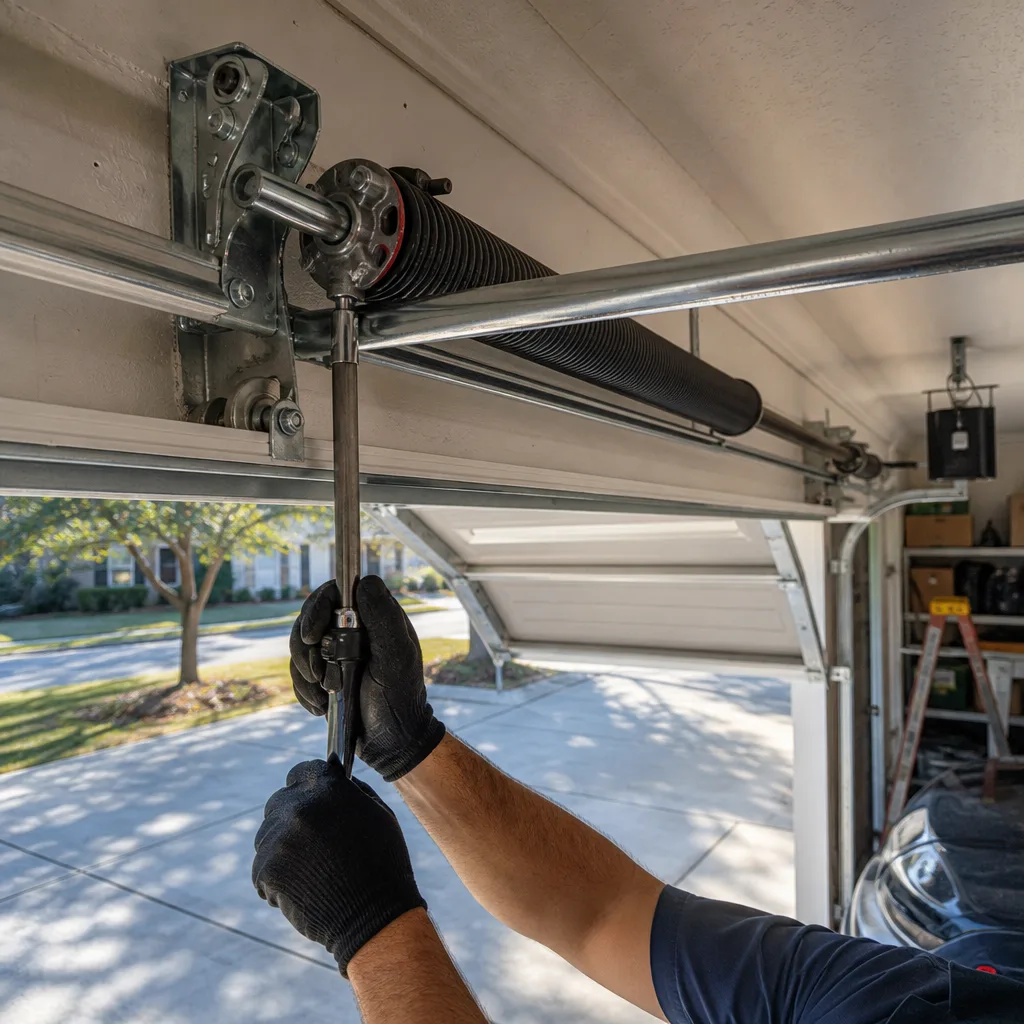 After
After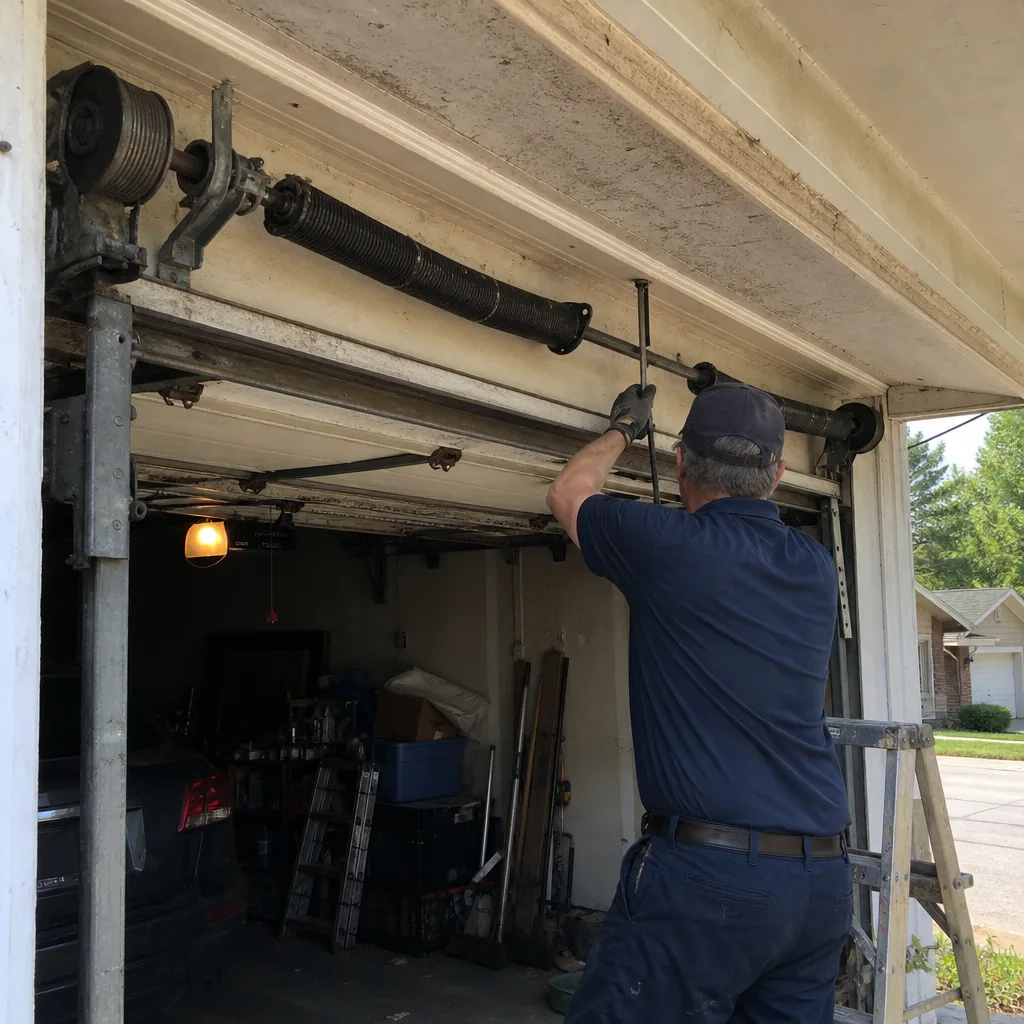 Before
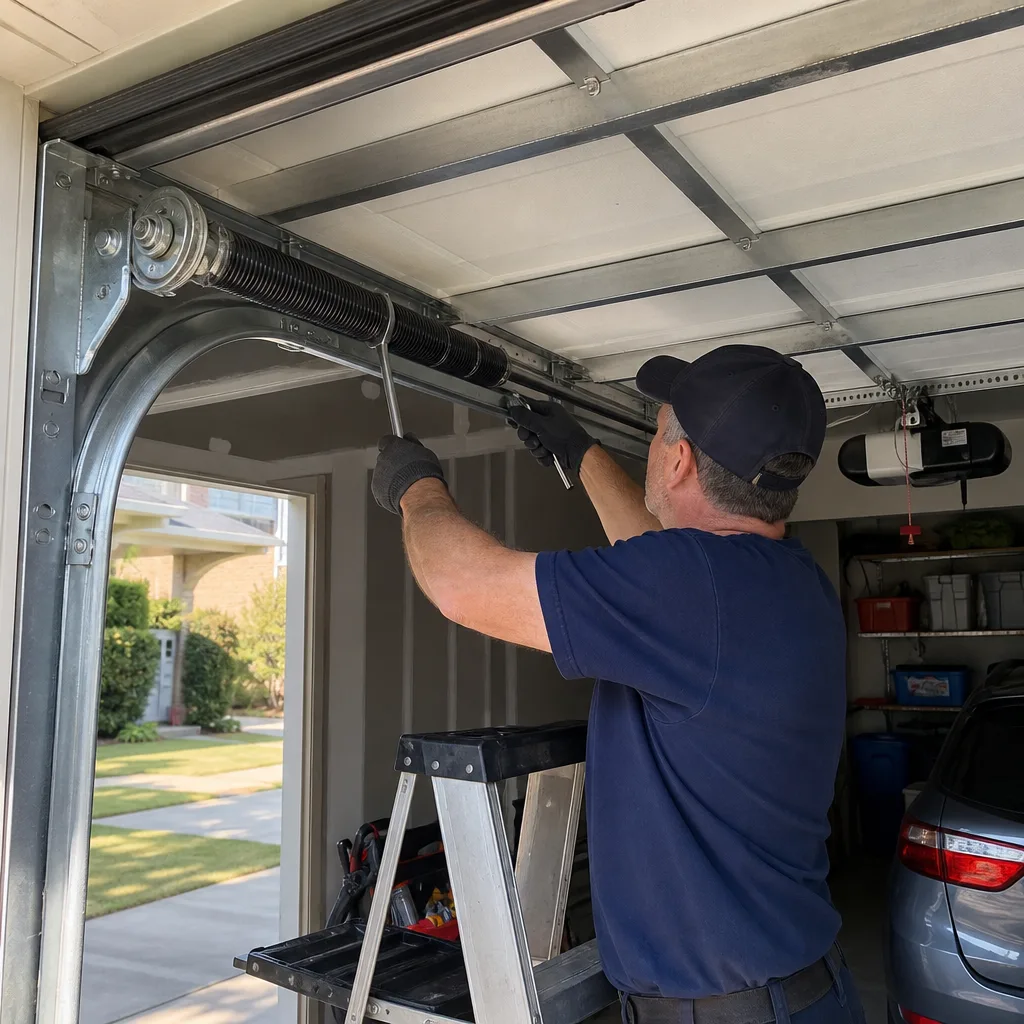 After
After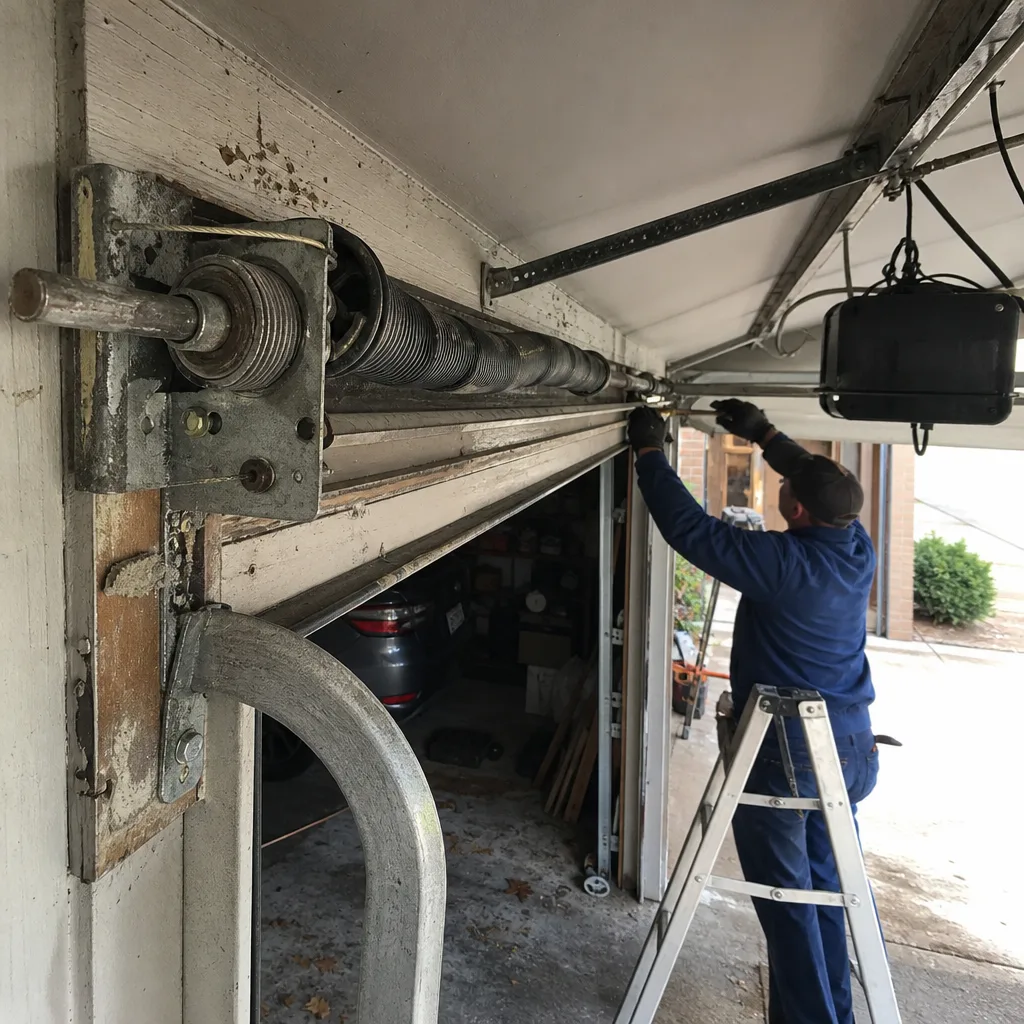 Before
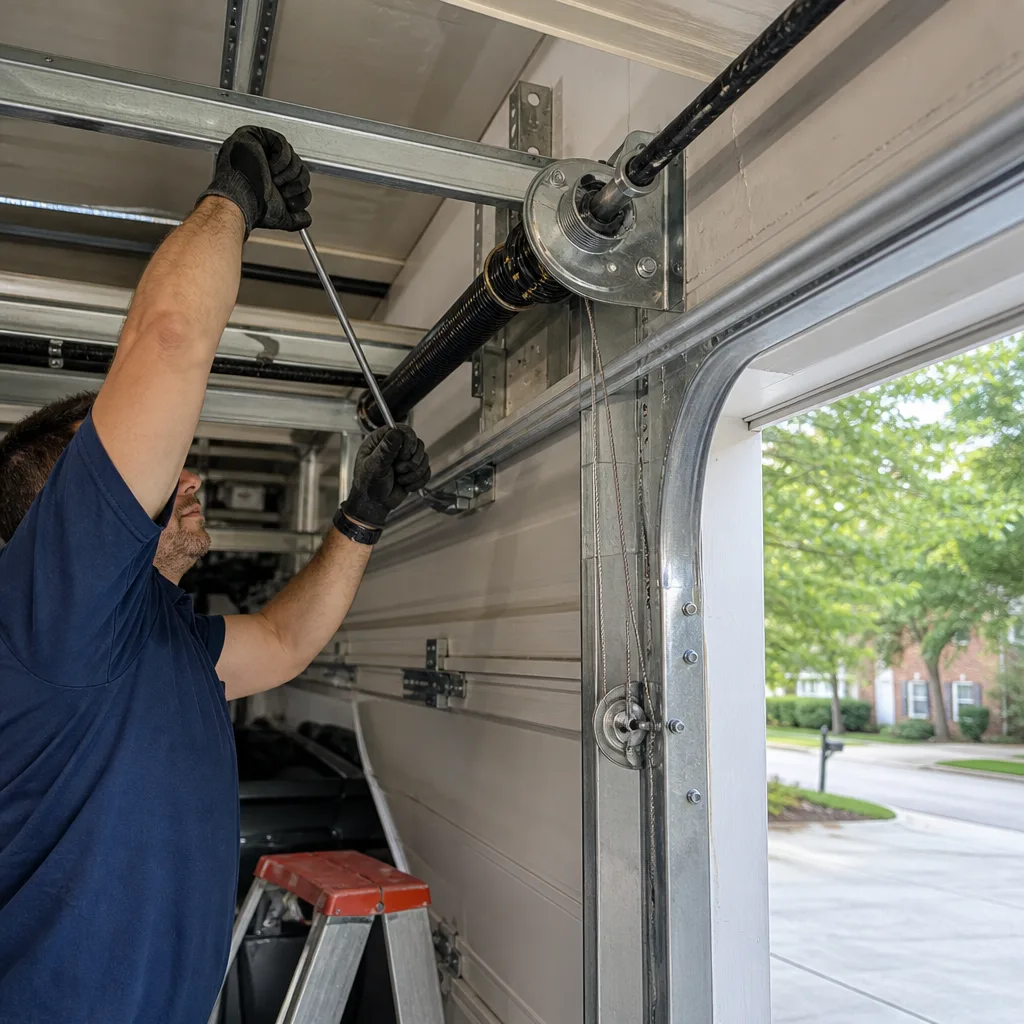 After
AfterReplacement Cost & What’s Included
For a Wayne Dalton weather seal replacement in Atlanta, expect a total installed price of $51 – $190. The material itself runs $25 – $120 depending on which Wayne Dalton model and seal profile you need, and the labor typically runs $26 – $70 for a standard single or double door swap. Longer doors, a bent or corroded retainer channel, or a seal type that requires extra trimming adds a bit more. We quote the total before we start, in writing, and that number doesn’t move once you approve it. The work is covered by our 365-Day Done Right Promise: if the seal fails within a year of installation due to a defect in the part or our workmanship, we come back and make it right at no charge. Every repair, including a simple seal replacement, gets the same written guarantee.
DIY or Call Us?
A weather seal replacement is not a high-tension job. It does not involve the torsion springs, the cables, or anything that can hurt you if you make a mistake. What it does involve is getting the exact right profile for your Wayne Dalton retainer, cutting the rubber cleanly without leaving a gap, and sliding it into track that’s often been crimped by years of use. The retainer itself is a low-risk part to work on. That said, most do-it-yourself seal jobs we see after the fact fail because the seal was the wrong width or the wrong slot profile, not because the homeowner did anything unsafe. Aaron Teague will tell you plainly: if you want to order the seal yourself and we’re wrong about fitment, you’ve spent money twice. If you call us, we bring the correct profile on the truck, we match it to your model, and we’re done in under an hour. Call (229) 408-2364 and the price you hear on the phone is the price you get.
FAQs
A Wayne Dalton weather seal in Atlanta typically lasts four to seven years before the rubber loses its flexibility and stops sealing. Homes with south-facing doors on unshaded lots will see more rapid hardening from UV exposure, while doors under cover or on shaded lots can go longer. If you’re replacing a seal younger than four years, we’ll check the door balance and travel limits while we’re there, because a misaligned closer can compress and kill a seal early.
In most cases, no. Once the bulb is compressed or the T-profile is cracked, it cannot be reliably restored to seal again. The rare exception is a seal that slipped partially out of a straight, undamaged retainer, which we can sometimes re-seat and test in a few minutes. If it’s torn, gaping, or stiff to the touch, replacement is the honest call, and the seal itself is an inexpensive part. Call (229) 408-2364 and we’ll give you a straight answer over the phone.
A Wayne Dalton weather seal replacement takes 30 to 60 minutes for a standard single or double garage door in good condition, and we can usually complete it on the first visit. If the retainer channel is corroded or the door is oversized, it can add another 30 to 45 minutes and we’ll tell you that before we start. The whole job is usually finished within a two-hour window from the time our technician steps out of the truck.
We do. The trucks we send to Atlanta-area appointments carry the common Wayne Dalton seal profiles, including the T-style single and double-slot seals and the flat U-channel slide-in style, plus the OEM replacement seals for the 8000, 9000, and 9100 to 9700 series. We also keep a quality aftermarket option that handles Atlanta’s heat well, so you’re not waiting on a parts delivery in most cases. When the exact seal isn’t on board, we can source it the same day through our parts network.
If your Wayne Dalton door is leaking air, water, or pests, we’ll get the right seal on it the same day in most cases. A live person answers at (229) 408-2364 day or night, and you’ll get the price in writing before any work begins. We’ll also send you the name and photo of the technician before we arrive, so you know exactly who’s pulling into your driveway.
Written by Aaron Teague, Owner, Doyle Garage Doors Atlanta at Doyle Garage Doors Atlanta, serving Atlanta and nearby areas.