
Last updated October 16, 2026
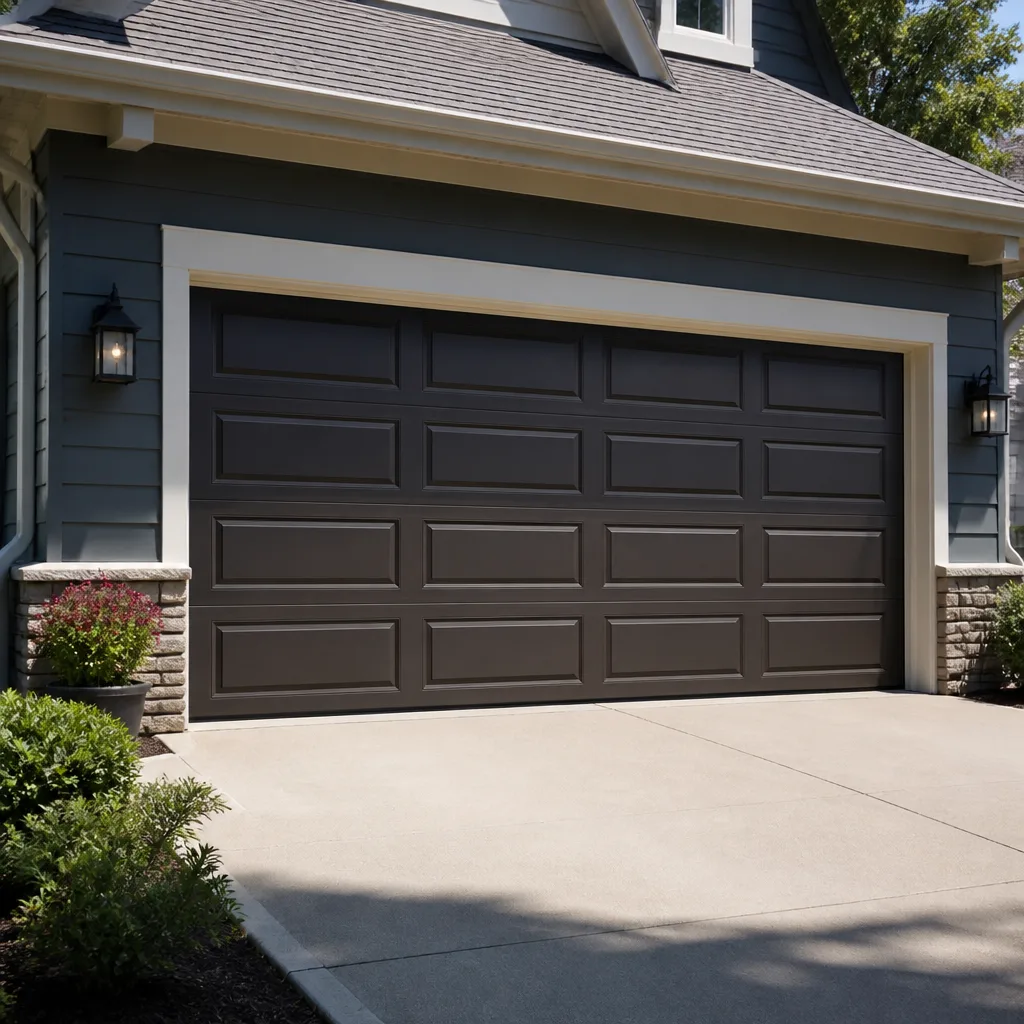 Raised-panel steel
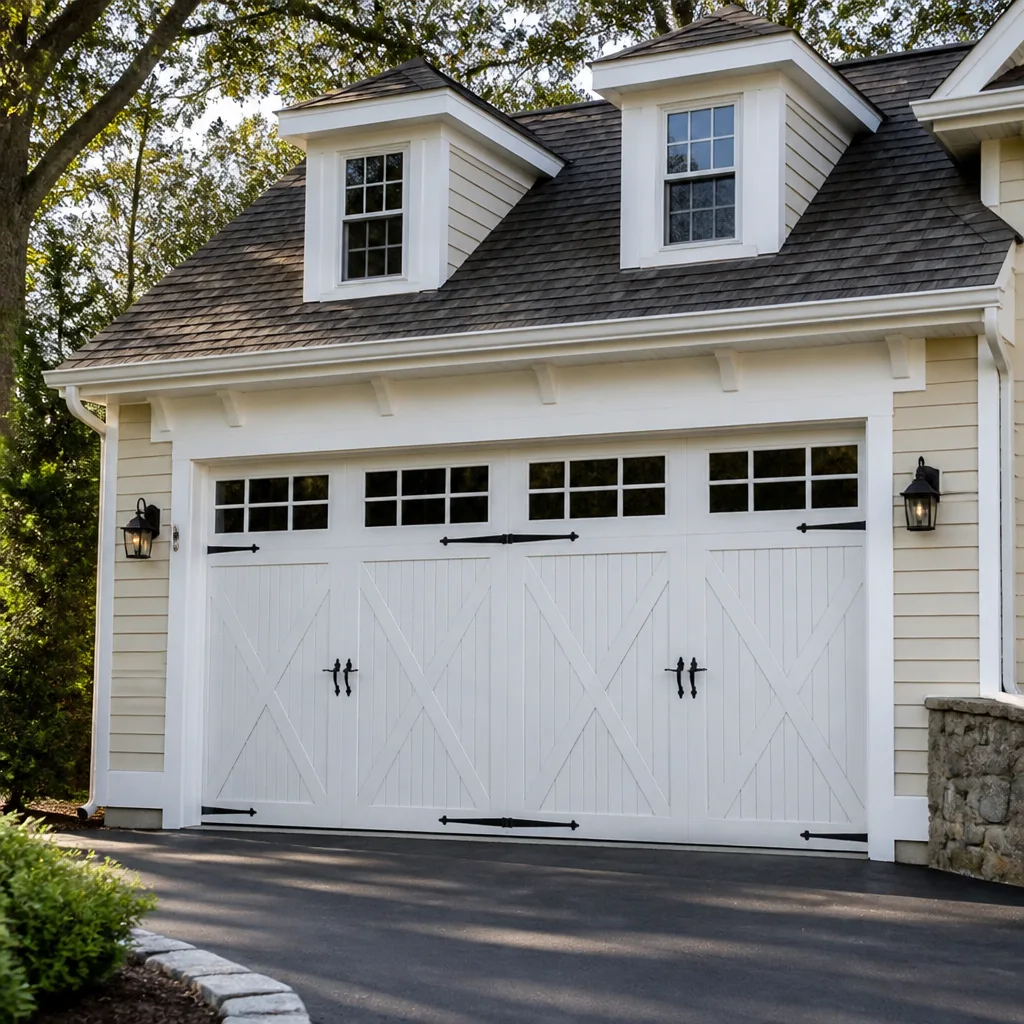 Carriage house
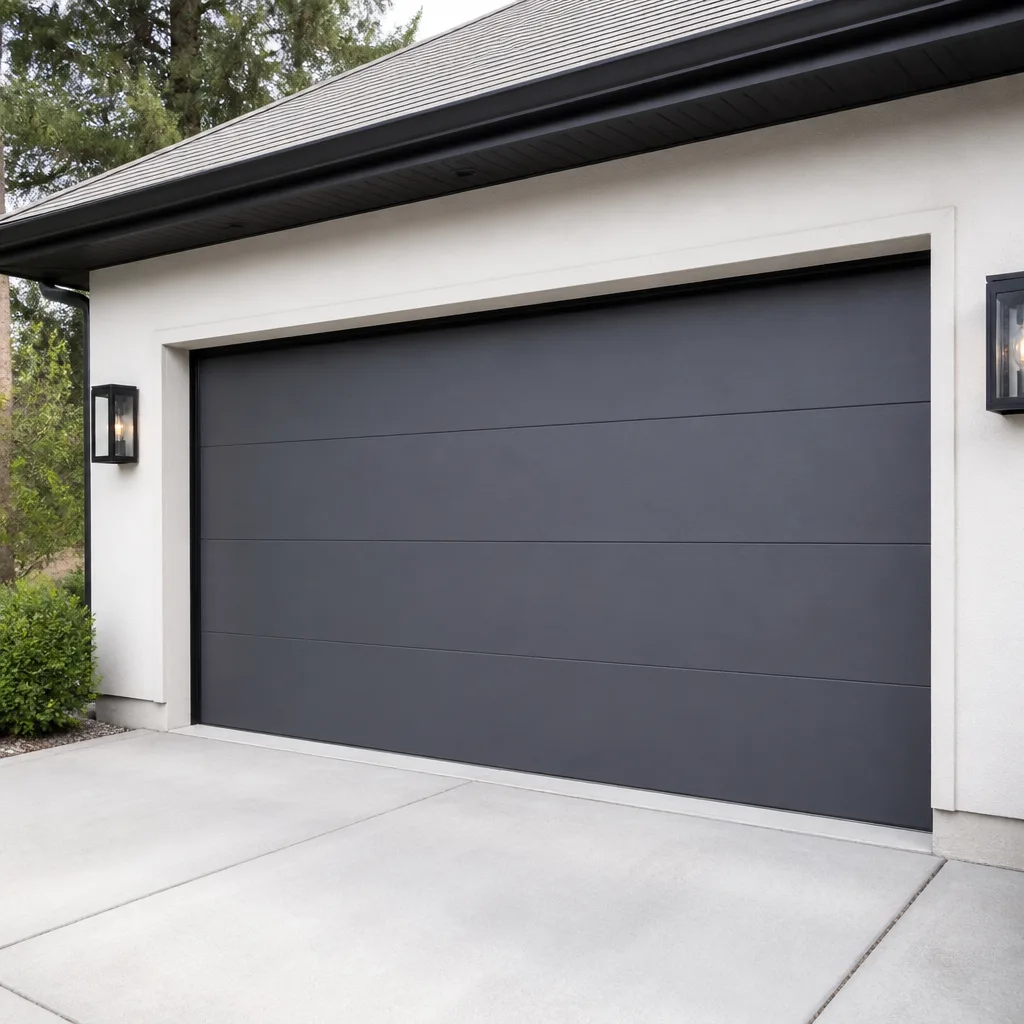 Modern flush
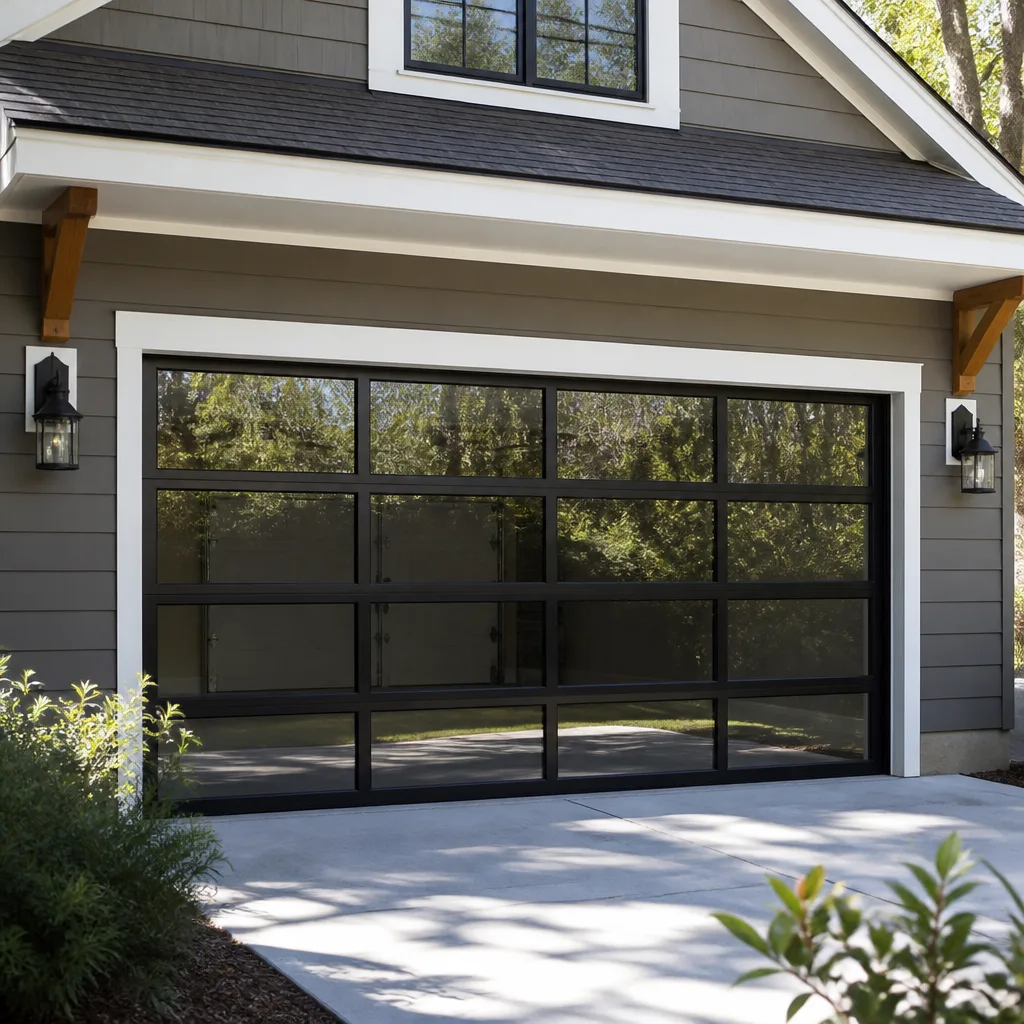 Full-view glass
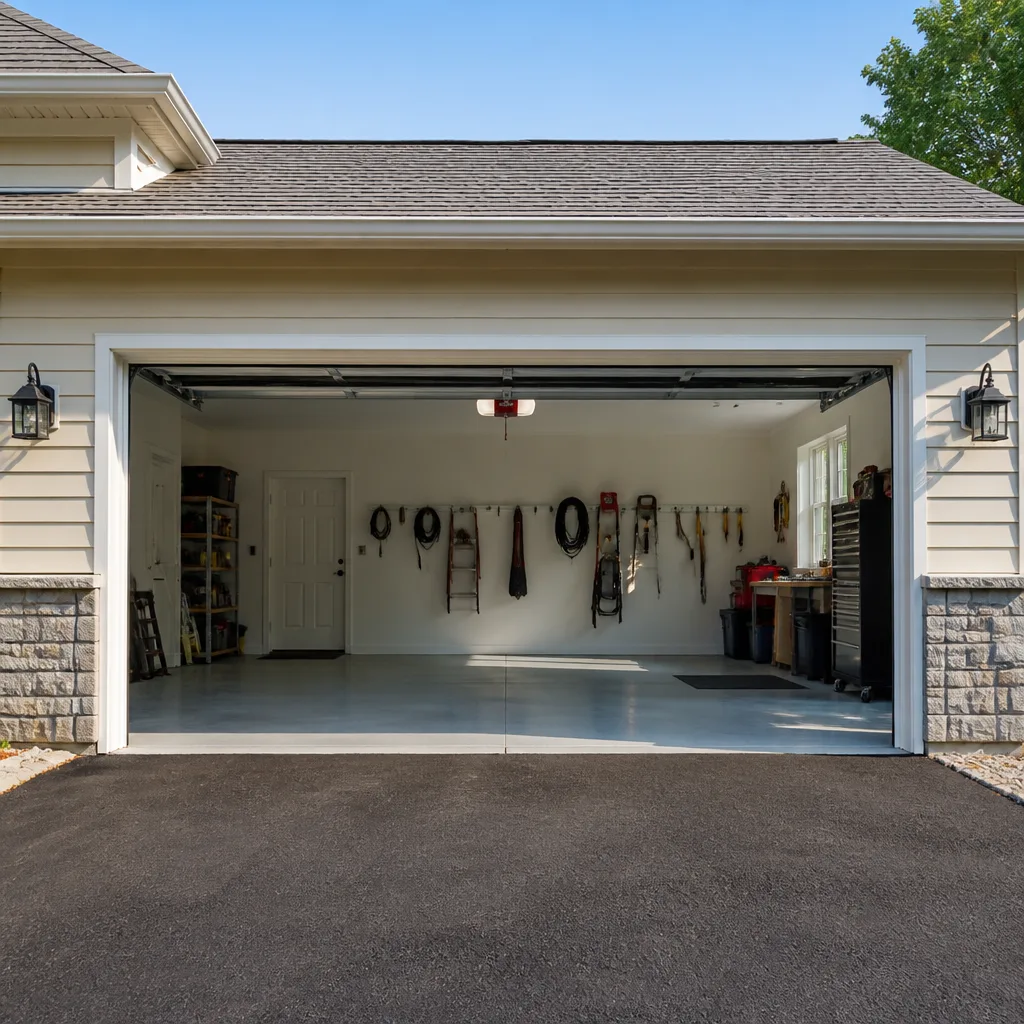 LiftMaster openers
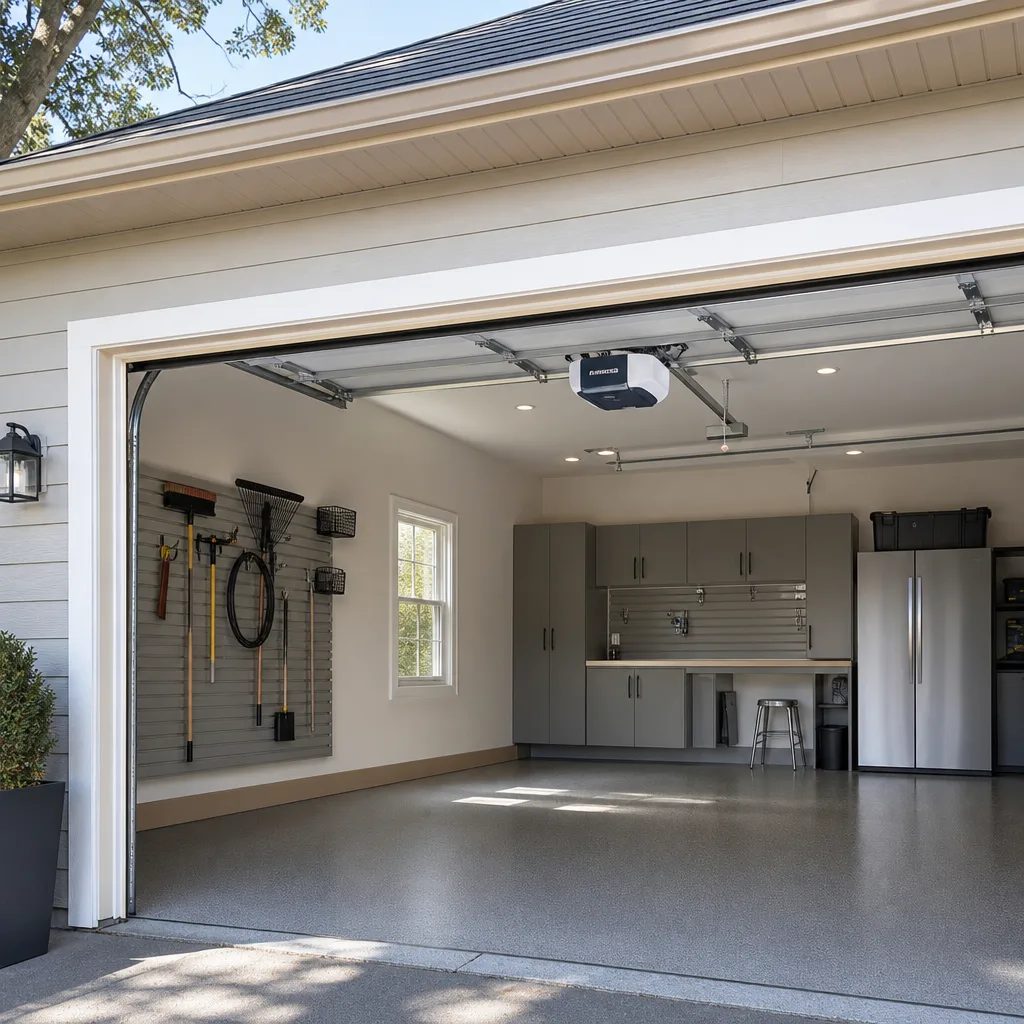 Chamberlain openers
Full 25-point door and opener safety check with every visit - springs, cables, rollers, tracks, and your LiftMaster or Chamberlain opener included
You get a price before we start. It does not change when the truck arrives.
Get your free estimateThe Complete Guide to Garage Door in Atlanta
The average Atlanta home’s garage door moves more than 1,500 times a year, yet most homeowners can’t name a single component until one fails at 7 a.m. on a workday. That’s the moment you learn the difference between a torsion spring and a trolley carriage, usually while running late and staring at a door that won’t budge. This guide is built for that moment, and for the months before it. We’ll walk through how Atlanta’s specific climate and soil affect your door, what every major part does, what failures actually cost in this market, and how to choose between repair and replacement. You’ll finish with enough working knowledge to talk to any contractor on equal footing, and to know whether you’re getting a fair price in Atlanta, GA. For more guides & resources, explore our blog.
Styles & brands we work with
Quick Answer
A garage door in Atlanta is a system of roughly a dozen interdependent parts, and the city’s red clay soil movement, humid summers, and occasional hard freezes create failure patterns that generic national guides miss. Most repairs in Atlanta run $150 to $500 depending on the component, with torsion spring replacement typically falling between $180 and $340 including parts and labor. See our Garage Door Cost Breakdown: The Atlanta Homeowner’s Reference for 2026 for detailed pricing. The smartest move for Atlanta homeowners is understanding which materials and components hold up to local conditions, knowing the warning signs of soil-related frame shift, and having a vetted repair company on call before you need one.
Table of Contents
- Why Atlanta’s Climate and Soil Are Hard on Garage Doors
- Anatomy of a Garage Door: Every Component, Explained in Plain Language
- Steel, Wood, Fiberglass, or Aluminum: What Actually Holds Up in Atlanta
- What Garage Door Repairs Actually Cost in Atlanta
- How to Read the Age and Condition of an Atlanta Garage Door Before You Buy a Home
- Choosing a Repair Company: What the Threshold Verified Standard Actually Means
- A Realistic Atlanta Garage Door Maintenance Checklist
- Common Mistakes to Avoid
- When to Call a Professional
- Frequently Asked Questions
- The Bottom Line
Why Atlanta’s Climate and Soil Are Hard on Garage Doors
Atlanta sits on a foundation of what geologists call Cecil soil, better known to locals as Georgia red clay. This soil is expansive, meaning it swells when wet and shrinks when dry. Over the course of a year, that cycle of expansion and contraction can move the concrete slab your garage sits on by a fraction of an inch. That’s enough to shift the vertical tracks that guide your door, which is the single most underreported cause of off-track doors in the Atlanta metro area. When the tracks drift out of parallel by even a quarter inch, the rollers bind, the door jerks, and eventually the cables or brackets fail under the strain.
Humidity adds a second layer of stress. Atlanta’s summer humidity routinely exceeds 70 percent, and that moisture gets into everything: torsion springs on uninsulated doors develop surface rust faster than in drier climates, wood doors swell and stick in their frames, and steel panels with chipped paint start showing rust blooms within a season. Meanwhile, the occasional hard freeze, like the ones Atlanta saw in January 2024 and again in 2025, makes already-weakened metal more brittle. A torsion spring that’s five years old and mildly corroded is far more likely to snap on a 20-degree morning than on a mild spring afternoon.
In our experience across Garage Door Repair in Atlanta, homes in neighborhoods with older slab construction, think Kirkwood, East Atlanta, and parts of Decatur, see the highest rates of track-alignment issues. Newer subdivisions with post-tension slabs move less, but no slab is truly static on Georgia clay. The practical takeaway: if your door suddenly starts scraping, grinding, or hesitating, don’t assume the opener is dying. Check the track alignment first, especially after a wet season.
Anatomy of a Garage Door: Every Component, Explained in Plain Language
Most Atlanta homeowners interact with their garage door every day without knowing what any part is called. Here’s the full system, broken down the way a technician actually thinks about it, trade term first, plain English right after.
Torsion Spring
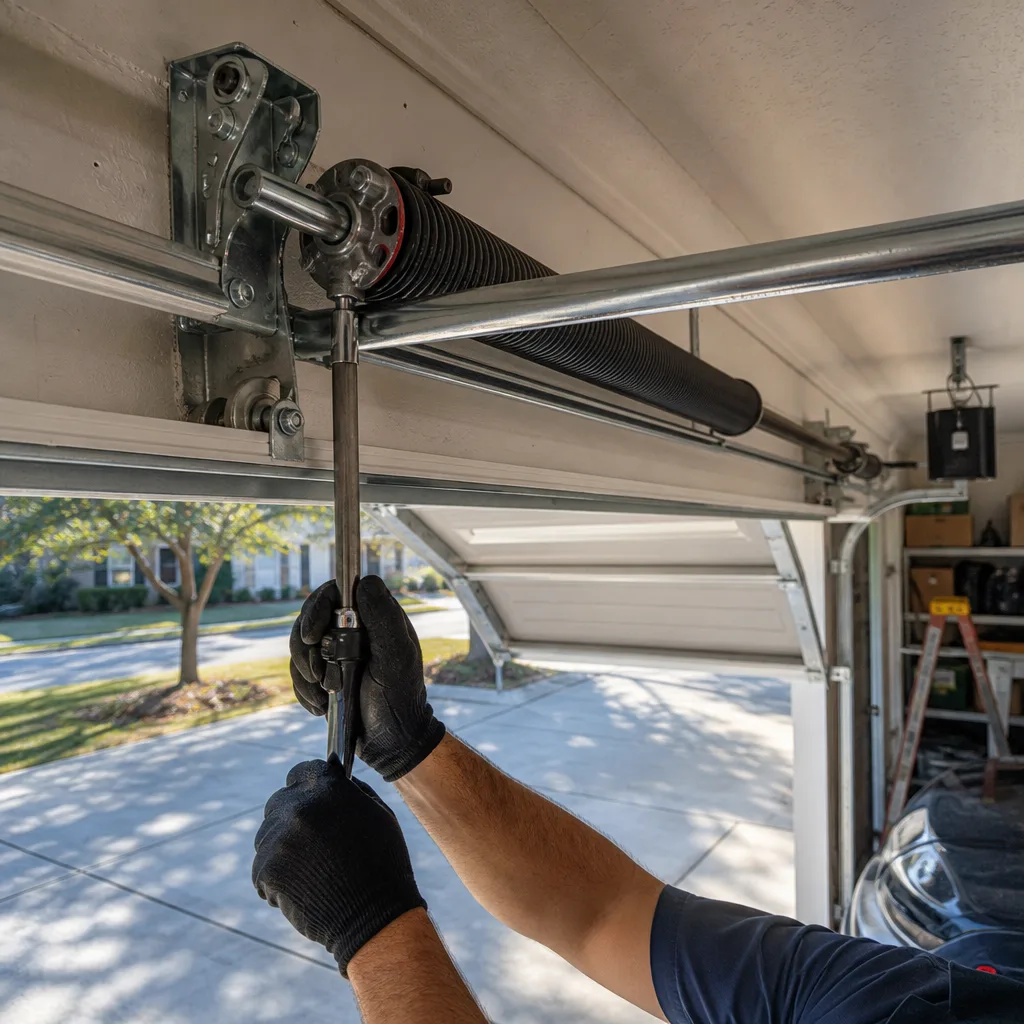
The torsion spring is the large coil mounted horizontally above the door opening. It does the actual lifting, counterbalancing the weight of the door so a small motor or a single person can move it. When you hear someone say their spring “broke,” this is almost always the part, and when it snaps, the sound is a loud bang that homeowners regularly describe as a gunshot or a car backfiring. These springs are rated for a specific number of cycles, usually 10,000, meaning open-and-close operations. For an Atlanta household that runs the door 4 to 6 times a day, that works out to roughly 5 to 7 years of life. In Atlanta, we see springs on uninsulated doors fail closer to the 5-year mark because humidity accelerates rust, and rust creates the micro-fractures that eventually snap.
Safety warning: torsion springs are under 100 to 200 pounds of torque even when the door is closed. Removing or adjusting one without the proper winding bars and technique can cause serious injury. If your spring is broken, leave the door closed and call a professional.
Extension Springs
Older Atlanta homes, particularly those built before 1990, often use extension springs instead. These are the long coils that run above the horizontal tracks on either side of the door. They stretch and contract rather than wind, and they lack the safety containment cables required on newer installations. If one snaps, it becomes a projectile. If your door predates the 1990s and you haven’t had the springs evaluated, that’s worth doing regardless of whether anything appears wrong.
Trolley Carriage
The trolley carriage is the component that connects the opener’s rail to the door itself. When you press the button, the motor drives a chain or belt, and the carriage travels along the rail, pulling or pushing the door. When this part strips out, you’ll hear the motor running but the door won’t move, or it moves a few inches and stops. Trolley carriage failure is common on doors that have been run while misaligned, because the binding puts extra load on the carriage’s plastic gears.
Limit Switch
The limit switch tells the opener where the door stops in the up and down positions. A door that reverses before fully closing, or that keeps running after hitting the floor, usually has a limit switch that’s out of adjustment. Atlanta’s temperature swings can affect this over time, particularly on older screw-drive openers where thermal expansion shifts internal tolerances.
Photo-Eye Sensors
These are the small units mounted about 6 inches off the floor on either side of the door opening. They project an invisible beam, and if anything breaks it, logic board in the opener refuses to close the door. When a door refuses to close and flashes a light at you, misaligned or dirty photo-eyes are the cause more often than not. Georgia’s pollen season, which paints everything yellow-green every spring in Atlanta, is an underrated culprit here. A thick coat of pollen on the lens can scatter the beam enough to trigger a false obstruction reading.
Cables and Drums
Cables run from the bottom corners of the door up to the drums mounted on the torsion shaft. They transfer the spring’s energy to the door panels. A frayed cable is a warning sign of an unbalanced door, and a snapped cable will leave the door hanging at an angle. Never attempt to cut or remove a cable on a door that’s still under spring tension.
Steel, Wood, Fiberglass, or Aluminum: What Actually Holds Up in Atlanta
National buying guides talk about insulation R-values and curb appeal, but they rarely account for Atlanta’s specific combination of UV load, humidity, and clay-soil movement. Before you decide, read our DIY vs Professional Garage Door: The Atlanta Homeowner’s Decision Guide. Here’s the comparison that actually matters for this city.
- Steel: The most common material in Atlanta for good reason. A quality 25-gauge or thicker steel door with a factory-applied finish resists humidity well, and modern polyurethane cores provide insulation that matters when your garage faces west into the Georgia afternoon sun. The weakness is the cut edges at the bottom of each panel. Once the paint is scratched, Atlanta humidity does the rest. We recommend touching up any chip within a season.
- Wood: Gorgeous and traditional, particularly on the Craftsman and Tudor homes that dominate neighborhoods like Virginia-Highland and Morningside. But wood is the highest-maintenance option in Atlanta’s climate. Swelling in summer, shrinking in winter, and constant repainting to fend off moisture. A wood door that isn’t sealed every two years will start to rot at the bottom edge where rainwater splashes up from the driveway.
- Fiberglass: Dimensionally stable, meaning it doesn’t swell or shrink with humidity the way wood does. Good for Atlanta’s humid summers, but early fiberglass doors had a reputation for yellowing under heavy UV exposure. Modern gel-coated fiberglass holds color better, and for shaded garage exposures it’s a solid choice.
- Aluminum: Lightweight and rustproof, but dents easily, and thin aluminum panels transmit heat readily. In an Atlanta summer, an uninsulated aluminum door facing the afternoon sun can turn a garage into a 120-degree oven. If you choose aluminum, spec it with a thermal break or a polyurethane core.
If you’re weighing replacement, Garage Door Installation in Atlanta covers materials, sizing, insulation options, and what to expect on install day.
What Garage Door Repairs Actually Cost in Atlanta
Here’s the honest breakdown of what the most common repairs run in Atlanta as of 2025. These ranges reflect what we see across the metro area, including parts and labor. Every price you see here is quoted in writing before any work starts, that’s standard practice in our shop and should be at any reputable company.
| Repair Type | Typical Cost Range in Atlanta | Notes |
|---|---|---|
| Torsion spring replacement (single) | $180 – $260 | Most common repair. Includes balance check. |
| Torsion spring replacement (double) | $280 – $340 | Both springs should be replaced together. |
| Extension spring replacement (pair) | $150 – $230 | Older door systems. |
| Cable replacement | $140 – $210 | Often accompanies spring work. |
| Trolley carriage replacement | $120 – $200 | Includes travel adjustment. |
| Photo-eye sensor replacement or alignment | $90 – $160 | Sometimes just needs cleaning. |
| Limit switch adjustment | $80 – $130 | Diagnosis included in service fee. |
| Track realignment (clay-soil related) | $150 – $250 | Higher if bracket replacement needed. |
| Full door replacement (single, installed) | $1,200 – $2,800 | Varies by material, insulation, windows. |
| Opener replacement (installed) | $400 – $750 | Includes new safety sensors. |
Three things drive cost differences between Atlanta neighborhoods. First, age of the existing hardware: homes in Grant Park and West End with original mid-century doors often need more than a single part to get the system truly balanced. Second, access: attached garages with finished interiors cost less to work in than detached garages where the tech’s truck sits 100 feet away in a shared alley. Third, opener brand: a LiftMaster or Chamberlain belt-drive opener is the most common in Atlanta and parts are readily available, while older Genie screw-drive units are disappearing from local parts inventories, which can add a day or two to a repair.
How to Read the Age and Condition of an Atlanta Garage Door Before You Buy a Home
Home inspections in Atlanta typically glance at the garage door, test the auto-reverse, and move on. If you’re buying a home, you need to do better. Here’s a five-step process we recommend to every Atlanta buyer who calls us for a pre-purchase assessment.
- Check the torsion spring date code. Most torsion springs have a painted stripe or a printed code on the end cone that indicates its cycle rating and manufacture date. If the spring is more than 7 years old and the door is used daily, budget $300 for replacement in your first year of ownership.
- Test the balance manually. Pull the red emergency release handle and lift the door halfway. A properly balanced door stays in place. A door that drifts down or shoots up means the spring is under-tensioned or over-tensioned, and the opener has been compensating, which shortens its life.
- Look at the bottom weather seal. In Atlanta, a cracked or missing bottom seal lets in not just water but also the constant humidity that rusts hardware and warps panel corners. Check for daylight under the closed door.
- Inspect the tracks for shim marks. If you see washers, shims, or fresh bolts where the vertical track meets the wall, someone has already adjusted for slab movement. Ask when and why. Past alignment work is a signal that the slab is active and the door will need periodic realignment.
- Find the opener’s permit or installation date. Atlanta requires permits for garage door replacement on many property types. If the city’s online permit portal shows a permit matching the opener’s install date, you’re looking at an honest history. If the opener looks new but no permit exists, that’s a negotiating point.
Choosing a Repair Company: What the Threshold Verified Standard Actually Means
For most Doyle Garage Doors Atlanta home customers, the garage door repair call is the first time a stranger has ever been invited into their garage. That’s a real concern, especially for people who are home alone during the day, parents with kids in the house, and older homeowners. The industry norm is a van that shows up with a tech you’ve never seen before and a name you only learn when you ask. The Threshold Verified standard exists to change that.
Here’s what it means in practice: every technician is background-checked and identity-verified before they ever step on your property. Before the visit, you receive the technician’s name and photo so you know exactly who to expect. When they arrive, they’re in a clean, marked uniform and they show a photo ID badge at the door, every time, no exceptions. This is not a premium add-on or a corporate gimmick. It’s a basic safety step that, frankly, the rest of the industry should have adopted years ago.
Then there’s the pricing. The written price is handed to you before a single bolt is turned. Not a verbal estimate, not a “we’ll see once we open it up” conversation. A written number. Every repair also carries a 365-Day Done Right Promise: if the repair fails within 365 days from the date of repair, we come back and make it right at no charge. And if a second visit is needed, it’s free, automatically, with no argument required. Aaron Teague, who owns Doyle Garage Doors Atlanta, built this system because he saw too many Atlanta homeowners paying for a repair twice and never knowing who was actually working in their garage.
A Realistic Atlanta Garage Door Maintenance Checklist
Most maintenance guides read like a chore list written by someone who doesn’t actually own a garage. Here’s the version that matters in Atlanta, organized around the two things that actually kill doors here: moisture and clay movement.
Every 3 months:
- Clean photo-eye lenses with a dry cloth. In April, during Atlanta’s peak pollen season, do this every two weeks.
- Look at the bottom seal for cracks or daylight. If you can see light, Atlanta humidity is getting in.
- Open and close the door once by hand using the red release handle. Listen for grinding or feel for binding. Early track misalignment sounds like a scrape, not a squeal.
Every 12 months:
- Have a professional check spring tension and cable condition. Don’t do this yourself, the tension stored in these parts can cause serious injury.
- Test the auto-reverse by placing a 2×4 flat on the ground under the door’s path. The door should reverse within 2 seconds of contact.
- Inspect roller condition. Nylon rollers with sealed bearings are quiet and last longer, but steel rollers with worn bearings are the most common cause of that rattling noise Atlanta homeowners learn to tune out.
- Walk the full length of both tracks and look for the mounting brackets pulling away from the wall, a telltale sign of slab movement.
Common Mistakes to Avoid
- Ignoring a door that’s slightly out of level. In Atlanta, a door that’s 1/4 inch off is often the first sign of slab movement. Ignoring it means the opener motor works harder every cycle until the trolley carriage or logic board fails prematurely.
- Replacing only one torsion spring. Springs wear as a pair. If one has snapped, the other is at the end of its life too. Replacing both costs an extra $100 to $150 and saves you a second service call in 6 months.
- Skipping the permit on a full door replacement. Atlanta enforces permitting on structural garage door work. An unpermitted replacement can complicate a future home sale.
- Buying the cheapest opener available. A bargain Genie or Chamberlain from a big-box store with a plastic rail and chain drive will be noisy and won’t last in Atlanta’s humidity. For an extra $150 to $250, a belt-drive LiftMaster or Chamberlain delivers a smoother, quieter operation and a longer lifespan.
- Assuming the opener is broken when the door won’t close. More than half the “dead opener” calls we get in Atlanta turn out to be misaligned photo-eyes, a stripped trolley carriage, or a broken spring. Check the easy things before you spend $400 to $750 on a new opener.
- Hiring a company that won’t name the technician before the visit. When a company can’t or won’t tell you who’s coming to your door, that’s a signal about how they operate. The Threshold Standard exists precisely because it’s the obvious thing every company should do and almost none do.
When to Call a Professional
If your torsion spring is broken, if a cable has snapped, if the door is hanging at an angle, or if you’ve hit the opener button and heard the motor run but the door hasn’t moved, stop troubleshooting and call. These failures involve components under enough tension to cause serious injury, and a trained professional will have the tools, parts, and experience to fix them correctly and safely. If you’ve never pulled the emergency release handle, do it once on a calm weekend so you know how it feels, then leave the rest to someone who carries the right winding bars. Doyle Garage Doors Atlanta offers free estimates in Atlanta, call (229) 408-2364 and a live person answers, day or night.
Frequently Asked Questions
Most garage door repairs in Atlanta run between $150 and $500 depending on the failed component. A single torsion spring replacement typically costs $180 to $260, a pair runs $280 to $340, and a new opener installation lands between $400 and $750. Doyle Garage Doors Atlanta quotes every price in writing before any work begins, so the number you approve is the number you pay. Call (229) 408-2364 for a free estimate.
Yes. Doyle Garage Doors Atlanta stocks the most common parts on the truck, including torsion springs, cables, photo-eyes, and trolley carriages for all major brands, so most repairs are completed in a single visit the same day you call. The parts inventory covers Raynor, LiftMaster, Chamberlain, and Genie systems.
In most cases, an off-track door in Atlanta is caused by clay-soil slab movement that shifts the vertical tracks out of parallel over months or years. Humidity-driven wood swelling can also push door edges against the tracks. A technician will check track alignment, bracket security, and roller condition to identify which factor is active on your property.
No. Doyle Garage Doors Atlanta gives you a written price before any work starts, and that price is the price. If something unexpected is found during the repair, the technician stops and gets your written approval before proceeding. There is no pressure, no upsell, and no surprise on the invoice.
Standard torsion springs are rated for about 10,000 cycles, which for a typical Atlanta household translates to 5 to 7 years. Atlanta’s humidity can shorten that lifespan by accelerating surface rust on uninsulated doors. If your spring is more than 5 years old and you use the door daily, schedule a balance check before it snaps.
Our trucks carry the most common replacement parts for all major brands we service, including LiftMaster, Chamberlain, Genie, and Raynor. For most repairs, the part and the fix happen in one visit. On the rare occasion a specialized part isn’t stocked, we’ll give you a clear timeline before we leave.
Yes, and that situation is exactly why the Threshold Verified standard exists. You’ll receive the technician’s name and photo before the visit, and they’ll show a photo ID badge at the door. Every tech is background-checked and identity-verified. It’s a basic step that we believe every garage door company in Atlanta should be required to do.
The Bottom Line
Your garage door is a system, not a single machine, and in Atlanta it’s a system working against clay movement, humidity, and enough pollen to choke a sensor. Knowing the components by name, understanding what a fair repair costs in this market, and recognizing the early signs of track misalignment will save you from the 7 a.m. failure and the overpriced emergency call. When something does go wrong, choose a company that tells you who’s coming to your door before they arrive, puts the price in writing before work begins, and stands behind the repair for a full year. That’s the standard every Atlanta homeowner should expect, and it’s the one Aaron Teague built Doyle Garage Doors Atlanta to meet.
For service in Atlanta, call (229) 408-2364 for a free estimate, answered by a live person, 24 hours a day, every day including weekends and holidays.
Written by Aaron Teague, Owner at Doyle Garage Doors Atlanta, serving Atlanta since 2001.
See the difference
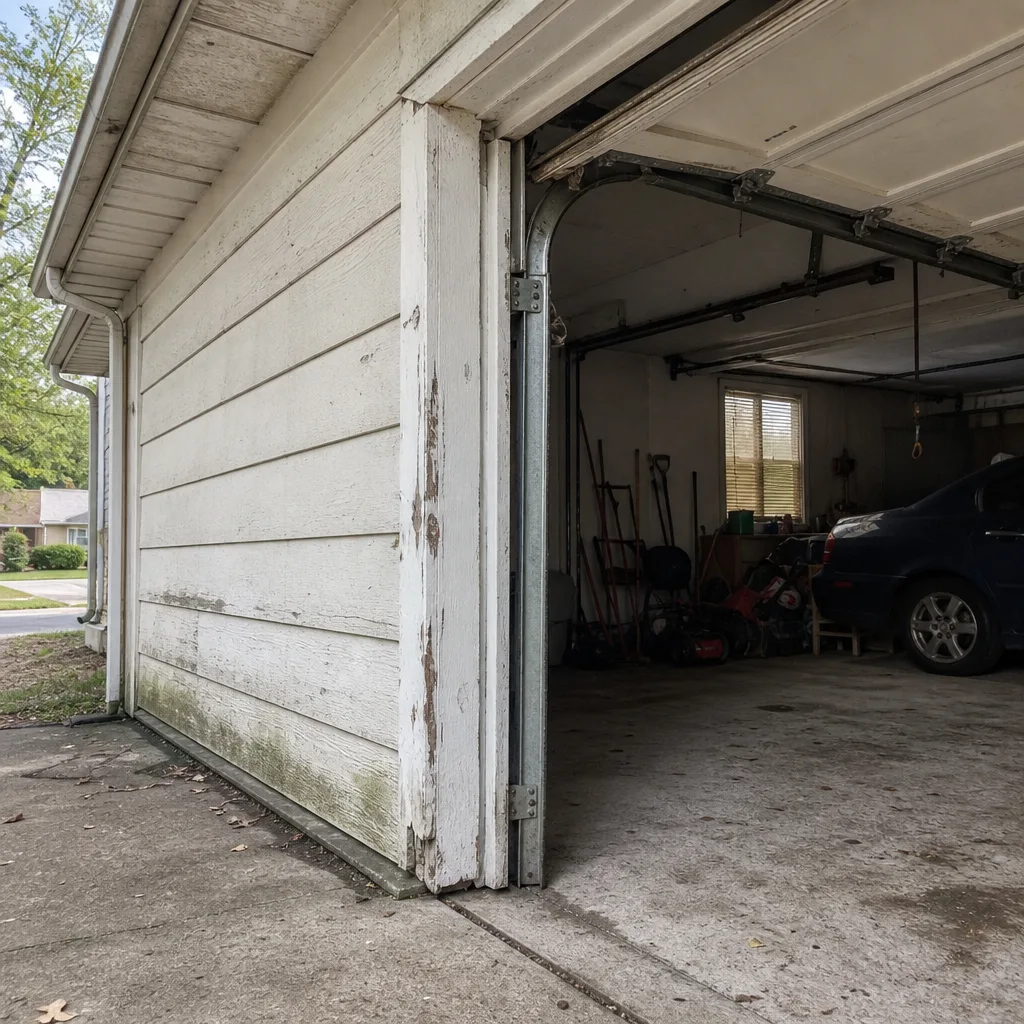 Before
 After
After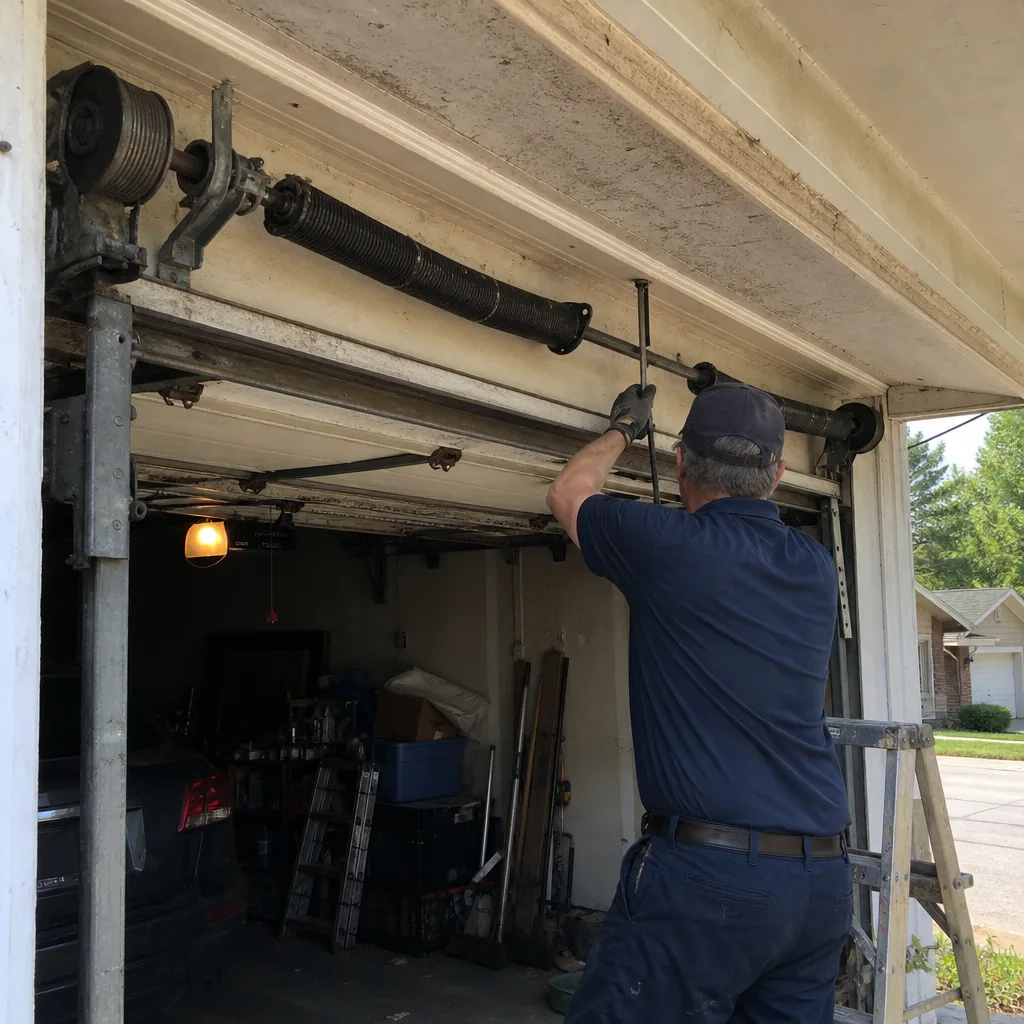 Before
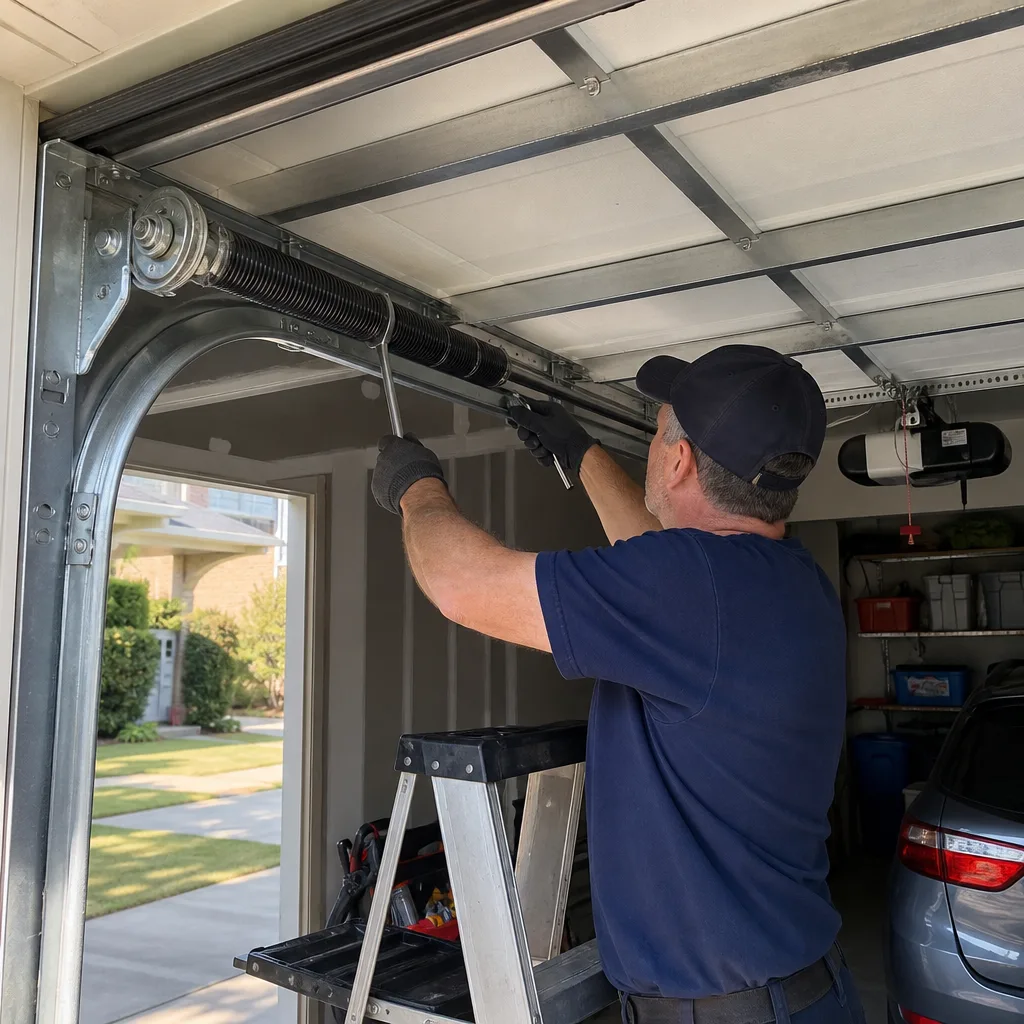 After
After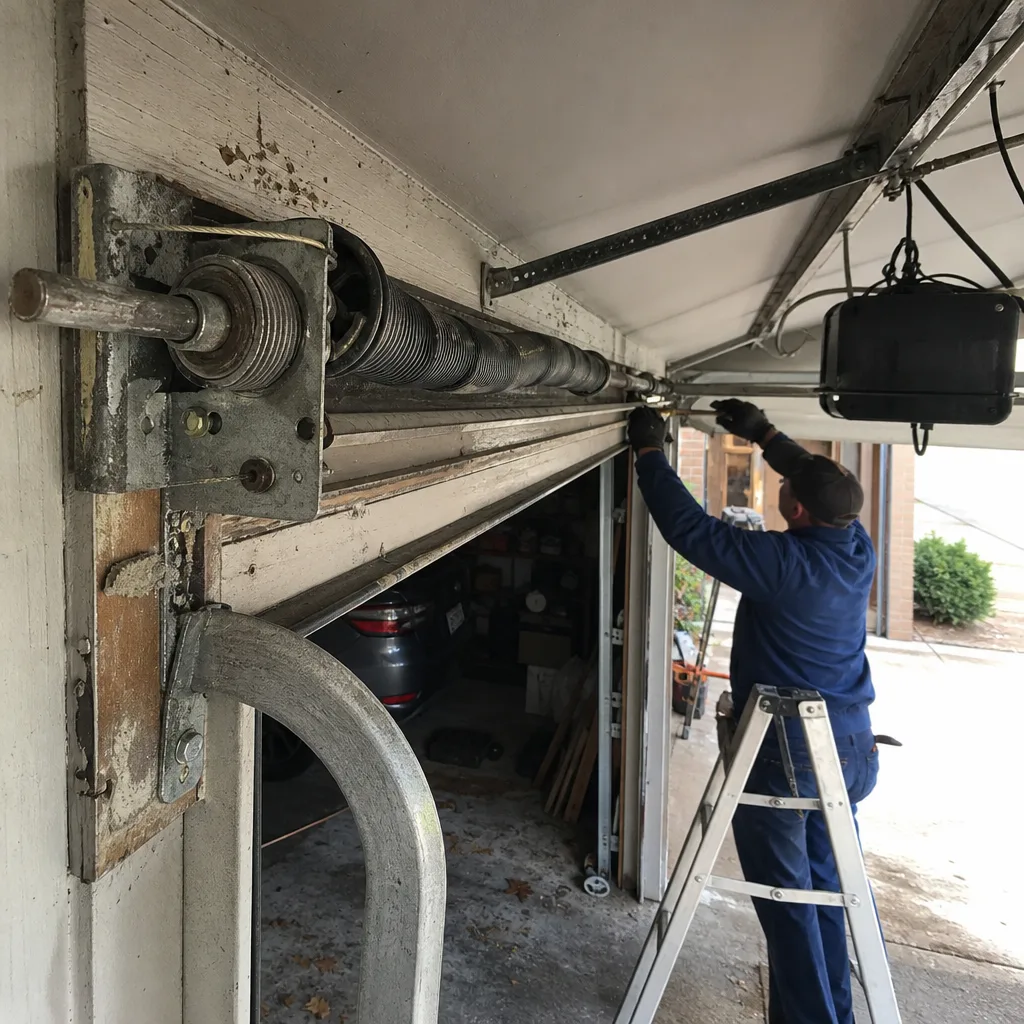 Before
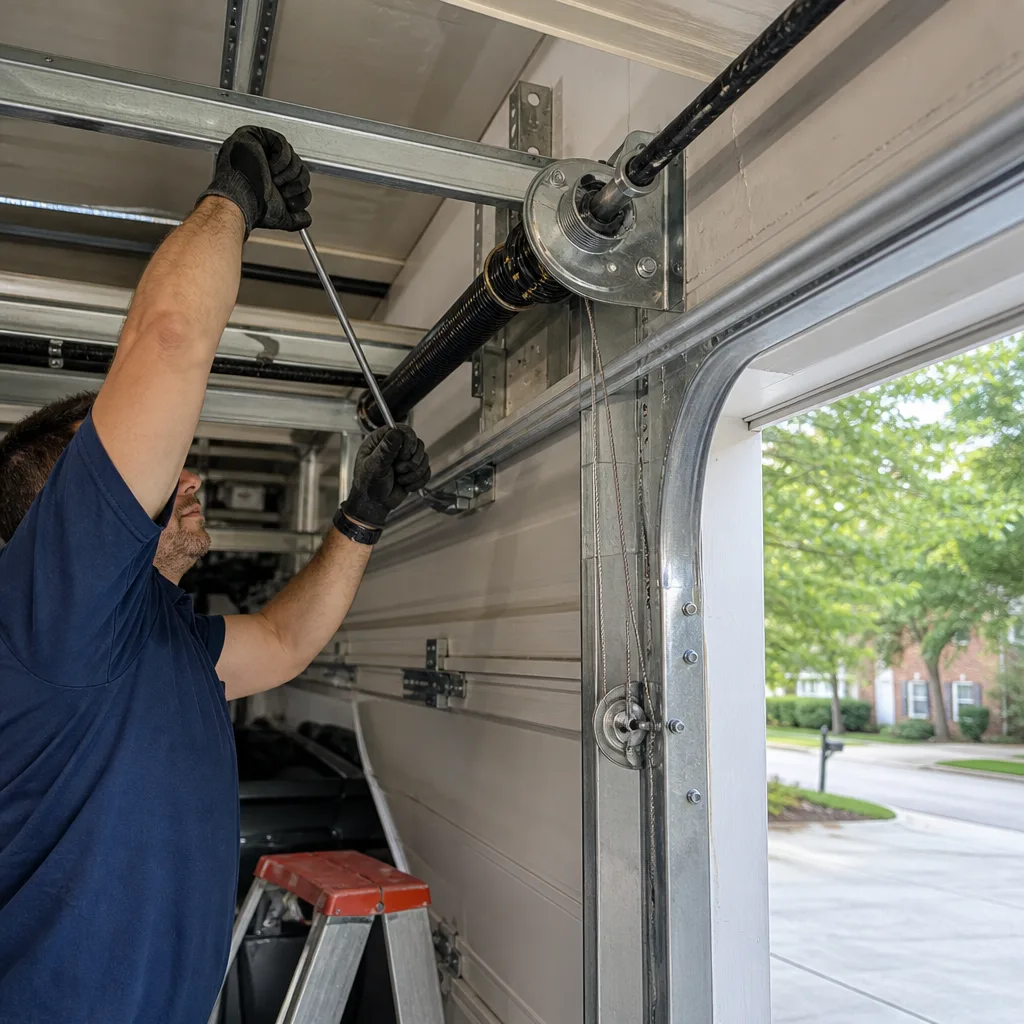 After
After